
10 Signs You Have a Dental Implant Infection
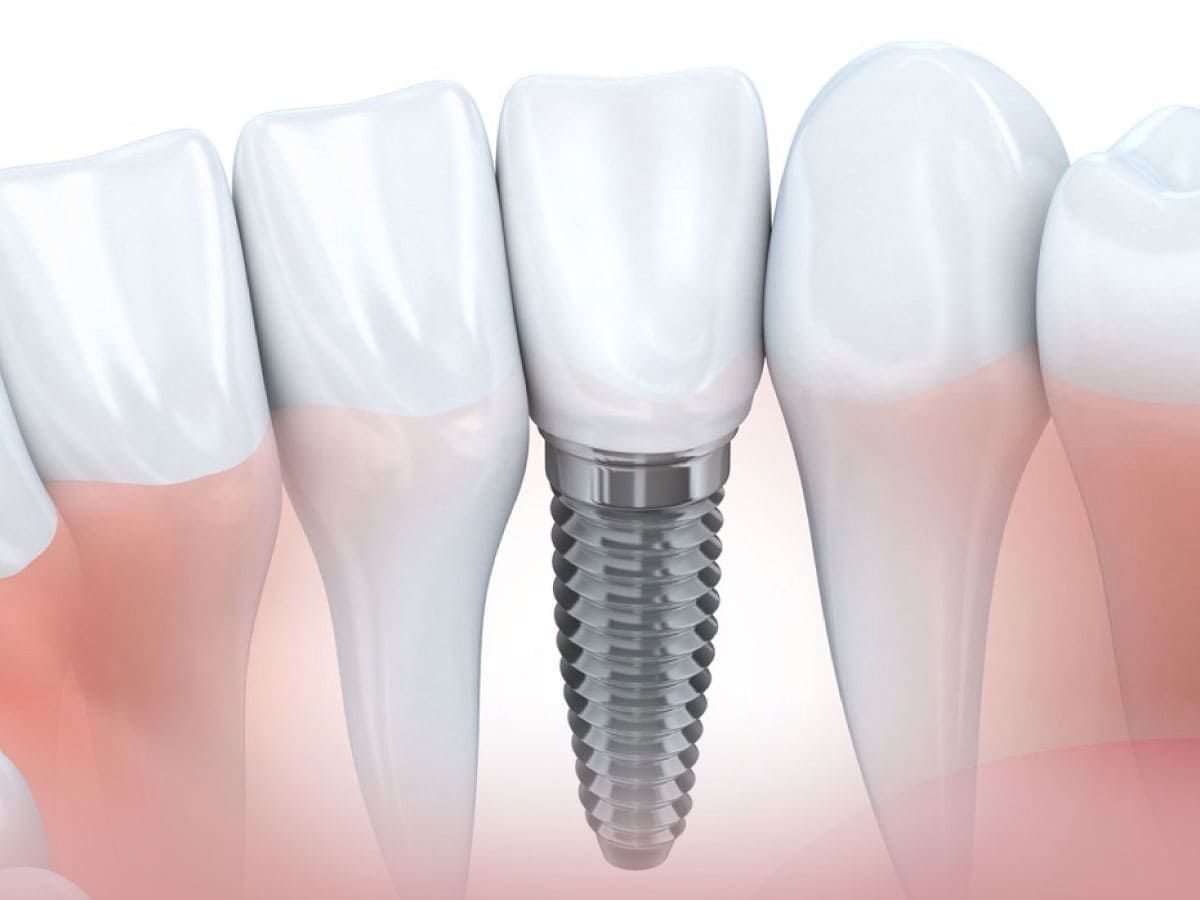
Dental implants are one of the most reliable and long-lasting solutions for missing teeth, but like any medical treatment, complications can occur - including dental implant infections. While implant infections are uncommon, knowing how to recognise the warning signs early can help prevent more serious issues, protect your oral health, and save your restoration.
This guide is designed for anyone in the UK or abroad who has implants, is considering treatment, or wants to understand the signs of infected dental implants. If you're exploring implant treatment, you may also find our Dental Implants in Turkey page helpful.
Below, we break down the most important symptoms, why they appear, and what you should do next.
- What Is a Dental Implant Infection?
- 10 Symptoms of a Dental Implant Infection
- What Causes Dental Implant Infections?
- How Are Dental Implant Infections Treated?
- How to Prevent Dental Implant Infections
- Key Takeaways for Dental Implant Infection
- Frequently Asked Questions
What is a Dental Implant Infection?
A
dental implant infection (also called
peri-implantitis) occurs when bacteria build up around the implant site, affecting the gum tissue and the bone supporting the implant. This can happen shortly after surgery or in the weeks later.
If left untreated, infections can lead to:
- Bone loss
- Gum recession
- Implant instability
- Implant failure
Early detection is crucial because treatment is far more successful before an infection causes structural damage.
10 Symptoms of a Dental Implant Infection
Below are the 10 most common and clinically recognised signs of dental implant infection. If you recognise any of these symptoms, it’s important to contact a dental professional as soon as possible.
1. Persistent Pain Around the Implant
Pain lasting longer than expected may indicate infection. Some discomfort is normal after implant surgery, but persistent or worsening pain may be a sign of infected dental implants.
What to look for:
- Throbbing or pulsing pain
- Pain when touching the area
- Discomfort that doesn't improve within a few days
If pain appears months after healing, it may indicate peri-implantitis.
2. Red, Inflamed, or Swollen Gums
Gum inflammation is one of the earliest warning signs. Healthy gums should look pink and firm. If gums around your implant appear red, swollen, or puffy, this may be a sign of infection.
Additional symptoms may include:
- Warmth around the implant
- Sensitivity when brushing
- Puffiness that doesn’t reduce with time
3. Bleeding When Brushing or Eating
Bleeding around an implant, especially if persistent, can signal the early stage of infection.
You may notice:
- Bleeding when brushing
- Bleeding when flossing near the implant
- Blood on food or utensils
This is often an early sign of peri-implant mucositis, which can progress into peri-implantitis if untreated.
4. Receding Gums Around the Implant
Gum recession suggests infection may be damaging tissue. As infection develops, gum tissue begins to break down. This can cause the implant or abutment to become more visible.
Signs include:
- Longer-looking teeth
- A visible metal margin
- A gap forming between the gum and implant
Gum recession is a red flag and should be flagged to your dentist if you are concerned.
5. Bad Breath or an Unpleasant Taste
Infection produces bacteria that lead to odour. Chronic bad breath or a bad taste in your mouth may indicate bacterial build-up around an implant.
Symptoms:
- Metallic or sour taste
- Persistent bad breath despite brushing
- Bad odour from the implant site
This often occurs when pus is present.
6. Pus or Discharge From the Implant Site
Pus is one of the clearest signs of infection. Any form of discharge – including yellow or white fluid – indicates that bacteria have caused an active infection.
Additional warning signs:
- Swelling filled with fluid
- A bitter taste when pressure is applied
- Gum “pockets” around the implant
Immediate dental help is needed if pus is present.
7. Loose or Wobbly Implant
A loose implant means the supporting bone may be compromised. In severe cases, infection can weaken the jawbone, causing the implant to loosen.
Signs include:
- Implant movement when touched
- A clicking sensation
- Difficulty chewing
If your implant feels unstable, contact a dentist right away.
8. Difficulty Chewing or Biting Down
Discomfort when eating may indicate inflammation or bone loss. If you avoid chewing on one side or experience pain when biting, it may be due to infection affecting the implant’s support.
Symptoms may include:
- Pain when biting down
- Sharp discomfort when eating
- Pressure sensitivity
9. Fever or Generalised Illness
In advanced cases, infection may spread. If a dental implants infection progresses, you may develop the following systems:
- Fever
- Fatigue
- Swollen lymph nodes
- Headaches
Treatment is required immediately if you present any of these symptoms along with other indicators of a dental implant infection.
10. Implant Looks or Feels “Different”
Visual or sensory changes often signal underlying issues. If something feels “off”, even without strong pain, it may still be a sign of an infected dental implant.
Changes to look for:
- Shifting position
- Darkening gum tissue
- Unusual pressure
- Odd sensations in the jaw
Trust your instincts – changes should always be checked.
What Causes Dental Implant Infections?
A dental implant infection can develop for several reasons. The most common include:
1. Poor Oral Hygiene - Bacteria build-up can cause gum inflammation, infection, and bone loss.
2. Smoking - Smoking reduces oxygen flow and slows healing, increasing infection risk.
3. Gum Disease History - Patients with previous periodontal disease are more susceptible.
4. Improper Implant Placement - Incorrect angulation or depth can cause bone stress and inflammation.
5. Poor Healing or Weakened Immune System - Conditions such as diabetes may impact healing.
6. Trauma - Grinding teeth or biting too hard on the implant can cause inflammation.
How Are Dental Implant Infections Treated?
Treatment depends on the severity of the infection.
1. Professional Cleaning - Gentle removal of plaque and bacteria from the implant.
2. Antibiotics - Used for early-stage infections.
3. Laser Therapy - Targets bacteria while preserving tissue.
4. Peri-implantitis Surgery - Removes infected tissue and regenerates bone.
5. Removing and Replacing the Implant - Needed only in advanced infection cases.
For UK Smiles patients, our team can advise on next steps and coordinate appropriate care through our clinical partners.
How to Prevent Dental Implant Infections
When you receive a dental implant procedure, you should always follow the guidance and advice of your dental team, but generally we recommend that all patients should:
- Brush twice daily with a toothbrush
- Floss daily or use interdental brushes
- Attend routine check-ups
- Avoid smoking
- Report unusual pain or swelling early
- Maintain regular professional cleanings
Why You Can Trust UK Smiles for Safe Dental Implant Treatment
When performed correctly by experienced professionals, dental implants are one of the safest and most predictable dental procedures, with long-term success rates. At
UK Smiles, we ensure every patient receives the highest level of clinical care – both before and after treatment – so you can feel completely confident in your decision.
Highly Qualified Dentists
Our dental implant procedures are carried out by
leading Turkish dentists each with years of clinical experience and hundreds of successful implant cases. Their backgrounds include:
- Advanced implant training
- Maxillofacial surgical expertise
- Academic research and publications
- Specialist skills in bone grafting and complex cases
This ensures our patients receive exceptional standards of care and predictable long-term outcomes.
UK-Based Consultations for Total Peace of Mind
Unlike many dental tourism providers, UK Smiles offers full UK consultations before you travel.
You will:
- Meet one of the dentists who will perform your treatment
- Have an X-ray and clinical assessments completed beforehand
- Receive a fully transparent treatment plan
- Understand risks, timelines, and expected results
This eliminates uncertainty and helps ensure your treatment is appropriate and safe for your oral health.
Strict Safety and Hygiene Standards
Our partner clinics follow international clinical protocols, including:
- Hospital-grade sterilisation
- Advanced infection-control measures
- State-of-the-art surgical suites
- High-quality titanium implants and premium materials
Safety is never compromised – every implant placed follows globally recognised best practices.
Comprehensive Aftercare in the UK
Implants don’t just require expert placement; they need correct aftercare too. UK Smiles provides:
- UK follow-up checks in our Leeds clinic
- Bite adjustments and post-treatment reviews
- Easy access to your treatment team
- Ongoing support for healing and maintenance
This UK-based aftercare is one of the biggest advantages we offer, giving you continued support long after your trip.
Transparent, Ethical Treatment Plans
We don’t over-treat or recommend implants unnecessarily. Every treatment plan is based on:
- Clinical need
- Bone health
- Long-term function
- Aesthetic goals
Our priority is always preserving your natural oral health and ensuring your implant lasts as long as possible.
Implants Are One of the Safest Long-Term Solutions
Dental implants have been used for decades and are widely regarded as the most stable and durable replacement for missing teeth. When combined with proper care and expert placement – like at UK Smiles – they offer a long-lasting with extraordinary success rates.
Key Takeaways for Dental Implant Infection
- Dental implant infections can occur early or years later
- Common signs include swelling, pain, bleeding, bad breath, and gum recession
- Early detection significantly increases treatment success
- Severe infections may cause bone loss or implant failure
- Prevention relies on good oral hygiene and regular dental reviews
Dental Implants FAQs
How do I know if my dental implant is infected?
You may have a dental implant infection if you notice symptoms such as swelling, pain, bleeding, pus, gum recession, or a bad taste in your mouth. Persistent pain is one of the most common early indicators.
Can an infected dental implant be saved?
Yes, many infected dental implants can be saved if treated early. Procedures may include cleaning, antibiotics, laser therapy, or surgical intervention. Only severe infections causing major bone loss require implant removal.
What should I do if I think my dental implant is infected?
Contact a dental professional immediately. Infection progresses quickly, and delaying treatment may lead to implant failure. If you received your implant abroad, seek advice from your clinic or a UK dentist as soon as possible.
Protect Your Smile with UK Smiles
If you're worried about a dental implant infection or want to explore implant treatment safely, UK Smiles is here to help. Our team offers UK-based consultations, experienced dentists, transparent pricing, and full aftercare support.
Explore
dental treatments from our specialist dentists, or
contact our team for your free quote today. With UK Smiles, your safety, confidence, and long-term oral health always come first.
Related Articles
- Why Do People Go to Turkey for Teeth?
- Veneers Cost 2025: A True Comparison of Turkey vs UK Pricing
- Turkey Teeth Before and After - What to Expect
Recent Posts