
Teeth Whitening in Turkey: Is It Worth Flying For?
Teeth whitening in Turkey is not worth flying for on its own, because the saving rarely covers the flights. In-clinic whitening costs around £200 to £500 less than the UK equivalent, and return flights plus a hotel usually swallow that difference whole.
That's a strange thing for a Turkish dental clinic to open with, but it's the truthful answer. The same maths is also why whitening earns its place on almost every treatment trip we plan. Here are both halves.
How Much Cheaper Is Teeth Whitening in Turkey?
In-clinic whitening in Turkey typically costs around £100 to £250, against roughly £300 to £700 for a comparable session at a UK practice, as a guide. On the chair price alone, Turkey wins comfortably. Then the travel bill arrives.
| Cost item | Typical range, as a guide |
|---|---|
| In-clinic whitening in the UK | Around £300 to £700 |
| In-clinic whitening in Turkey | Around £100 to £250 |
| Potential saving | Around £200 to £500 |
| Return flights to Antalya | Around £120 to £350 depending on season |
| Three nights in a hotel | Around £120 to £400 |
Run those rows together and the trip eats the saving in most months of the year. Book in the school holidays and it goes negative. As a standalone purchase, whitening is one of the few treatments where staying home wins.
So when does flying actually add up?
When Does Whitening in Turkey Make Sense?
Whitening in Turkey makes sense when the flight is already paid for by bigger treatment: bonding, veneers, crowns, implants or a full smile makeover. At that point the whitening rides along at Turkish prices on a trip that justifies itself.
That's the logic behind combining whitening with a dental holiday package. The flights, hotel and transfers exist for the main treatment, and the whitening becomes a modest line on the plan rather than the reason for the journey.
The other honest case is people already holidaying in Antalya. If you're here for a fortnight anyway, a whitening session costs Turkish prices with zero travel premium. We see a steady stream of sunburnt British walk-ins every August for exactly this reason.
What Does In-Clinic Whitening in Turkey Involve?
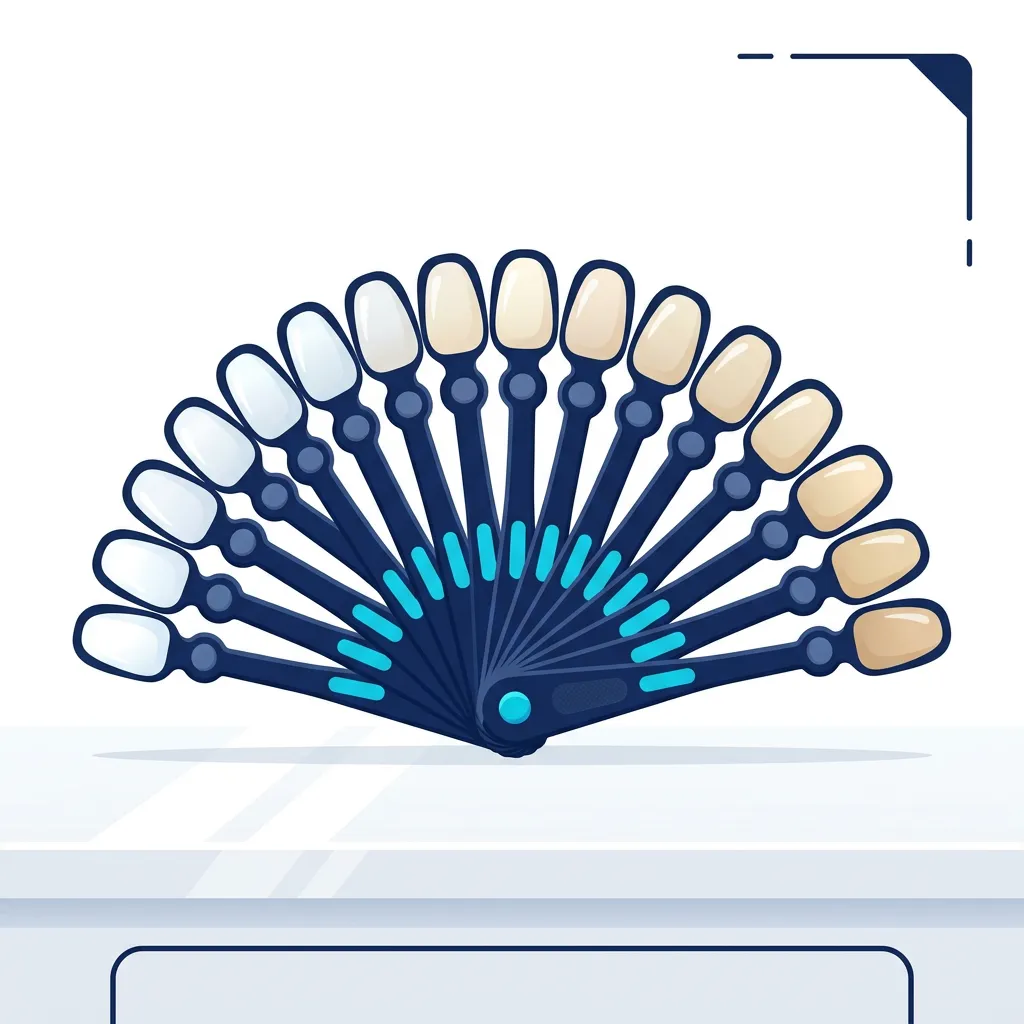
In-clinic whitening uses a high-strength peroxide gel activated by an LED or laser lamp, applied in two to three cycles over roughly 45 to 90 minutes. Your gums are protected with a barrier first, and your starting shade is recorded against a standard scale.
Expect a lift of two to eight shades depending on your starting colour and the type of staining. Yellowish surface staining from tea, coffee and wine responds best. Grey discolouration from old antibiotics or a knocked tooth responds poorly, and an honest dentist will say so before you sit down.
Sensitivity is the common side effect: a zingy 24 to 72 hours afterwards, managed with sensitive toothpaste and lukewarm drinks. It passes. The gel brands and concentrations used in reputable Turkish clinics are the same products UK dentists use, so ask which system a clinic runs, and expect a straight answer.
Prefer to do it from your sofa?
What About Take-Home Whitening Kits From Turkey?
Dentist-made tray kits are the quiet bargain here. A clinic can scan your teeth, make custom trays and send you home with professional gel for less than most UK practices charge, and the trays keep working for years of top-ups.
The rules differ between what shops and dentists can sell, which is worth knowing. UK over-the-counter products are limited to a small fraction of the peroxide a dentist can prescribe, which is why shop-bought strips underwhelm. A dentist-supervised kit, Turkish or British, sits in a different league.
Skip the bazaar gels and unbranded syringes, obviously. If it hasn't come from a dentist who has looked in your mouth, it doesn't go in your mouth.
Whitening before or after the new teeth?
How Does Whitening Fit Around Bonding and Veneers?
Whitening comes first, always, because composite and porcelain don't bleach, and any new work is colour-matched to your whitened shade. Get the order wrong and you lock yesterday's colour into tomorrow's smile.
Resin holds whatever shade it was made in, which is why bonding won't whiten with gel no matter what strength the syringe claims. Porcelain plays by its own rulebook too, and we've covered whitening and veneers, the rules in a separate guide.
The sequence that works: whiten, let the shade settle for around two weeks, then have bonding shade-matched after whitening so the new material matches the brighter baseline. On a package trip we plan this order into the schedule for you, it's the kind of detail that separates a treatment plan from a price list.
What Aftercare Does Whitening Need Once You're Home?
The first 48 hours decide how well whitening settles: pale food and drink only, no smoking, and nothing that would stain a white shirt. Freshly whitened enamel is temporarily porous, and it takes colour back in with enthusiasm.
After that, the rules relax into habits. Rinse with water after coffee and red wine, keep up normal hygiene, and use any take-home top-up trays the clinic provides once or twice a year. Results last around 12 months to 3 years, with smokers and heavy coffee drinkers at the short end.
One warning we repeat: don't whiten at home in the fortnight before new bonding or veneers without telling the clinic. The shade match is planned around the colour you arrive with, and a last-minute bleach quietly rewrites the plan.
Where Whitening Fits in the Bigger Smile Plan
Whitening has a ceiling: it lightens your natural shade, it doesn't repaint it. If you have a specific white in mind, start with choosing a believable shade of white, because the brightest bleach shades photograph very differently in daylight than they do on a clinic Instagram feed.
And when whitening alone won't get you there, because the issues are shape, gaps, old crowns or heavy staining, the next research stop is the full Hollywood smile approach, which is a different scale of treatment and a different scale of decision.
Teeth Whitening in Turkey FAQs
-
How long does teeth whitening from Turkey last?
The same as whitening from anywhere: around 12 months to 3 years depending on diet, smoking and hygiene. The gel doesn't know what country it's in. Top-up trays used once or twice a year stretch results toward the longer end.
-
Is teeth whitening in Turkey safe?
In a licensed, dentist-led clinic, yes, the systems and concentrations match what UK practices use. The risks live at the cut-price end: unregulated gels, no gum protection, no dental examination first. Ask which whitening system a clinic uses and who applies it.
-
Does in-clinic whitening damage enamel?
No. Peroxide whitening applied correctly, with the gums protected, doesn't soften or thin enamel. The temporary sensitivity comes from fluid movement inside the tooth, not damage, and it settles within days. The genuine risks sit with unregulated gels used without any dental supervision.
-
Can you whiten veneers, crowns or bonding in Turkey?
No. Peroxide only lightens natural tooth structure, so ceramic and composite keep their manufactured shade wherever you're treated. If your smile mixes natural and restored teeth, whitening needs planning around replacement work, not the other way round.
-
Is whitening included in Turkey dental packages?
Often, either bundled or added at a small cost, because it's quick to do alongside larger treatment. Ask for it in writing on the treatment plan, including which system is used, rather than relying on a "free whitening" line in an advert.