
Porcelain veneer
~0.5mm
of enamel removed from the front face only
- Front face only, back and sides intact
- 0.3 to 0.7 mm shell bonded on top
- Cosmetic treatment for healthy teeth
- Minimal change to the natural tooth
The honest guide
Turkey teeth is a slang term for cosmetic dental treatment carried out in Turkey. Most commonly it refers to porcelain veneers, zirconium crowns, dental implants and full-mouth smile makeovers. The phrase picked up bad press because of viral cases of poorly done full-mouth crowns. Here is the honest version.
Rated Excellent on Trustpilot · 4.9/5 from 310 UK patients
What it means
Turkey teeth is a colloquial UK term that started on TikTok and Instagram around 2021 to describe a particular look: ultra-white, perfectly square, uniform front teeth, usually placed during a short trip abroad. The phrase originally tagged the cosmetic style. It then broadened to cover the wider experience of dental tourism in Turkey, both the good outcomes and the bad ones.
Two separate things sit underneath the term, and the SERP results blur them together:
All three meanings travel under the same hashtag, which is why the term carries baggage. When someone Googles “turkey teeth” they are usually trying to work out which version they are looking at.
The treatments
Turkey teeth is not one procedure. It is shorthand for a group of cosmetic and restorative treatments that a UK patient might travel to Turkey to receive. The right one depends on the condition of your natural teeth, the look you are going for, and how much tooth structure should be preserved.
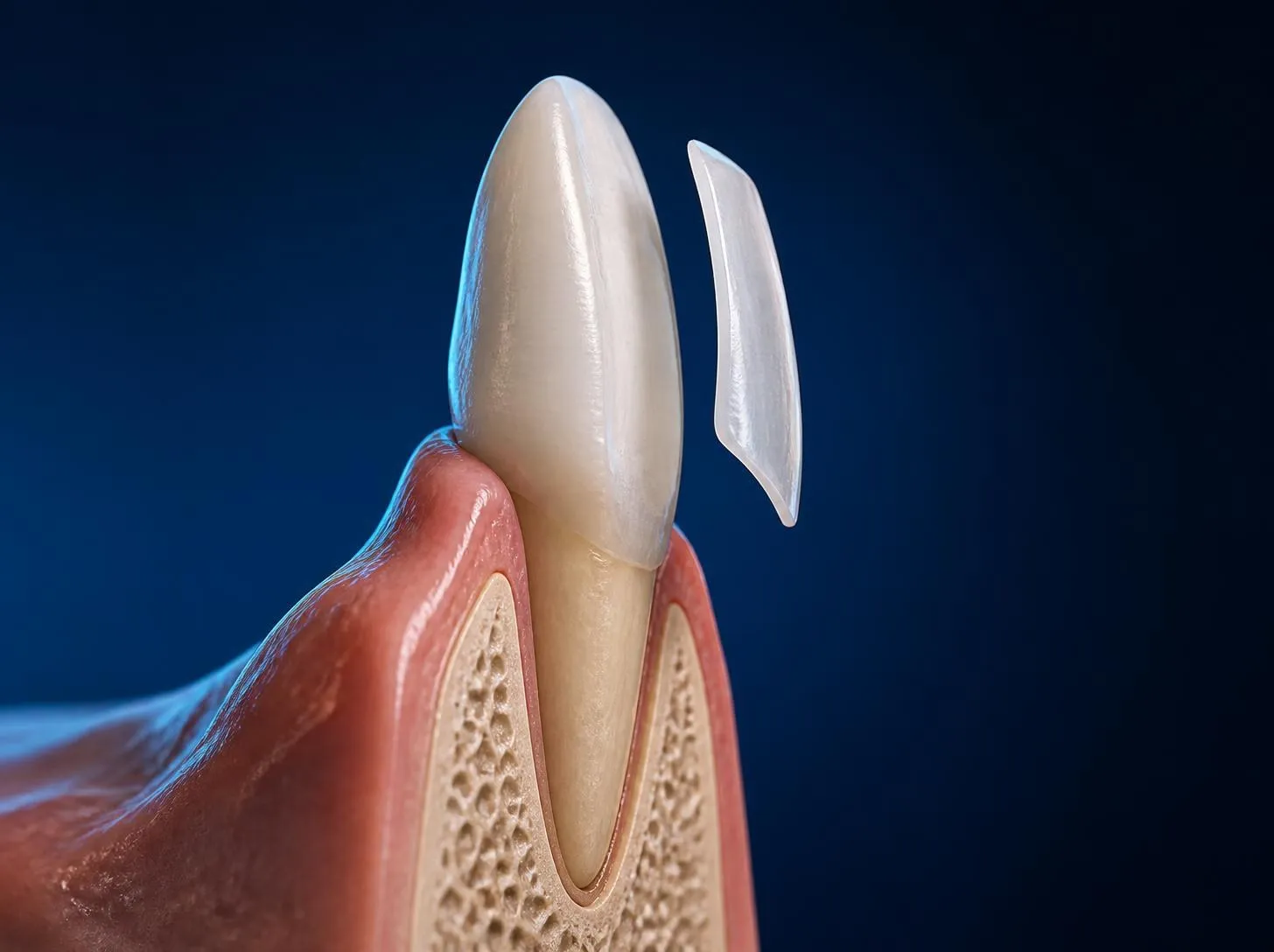
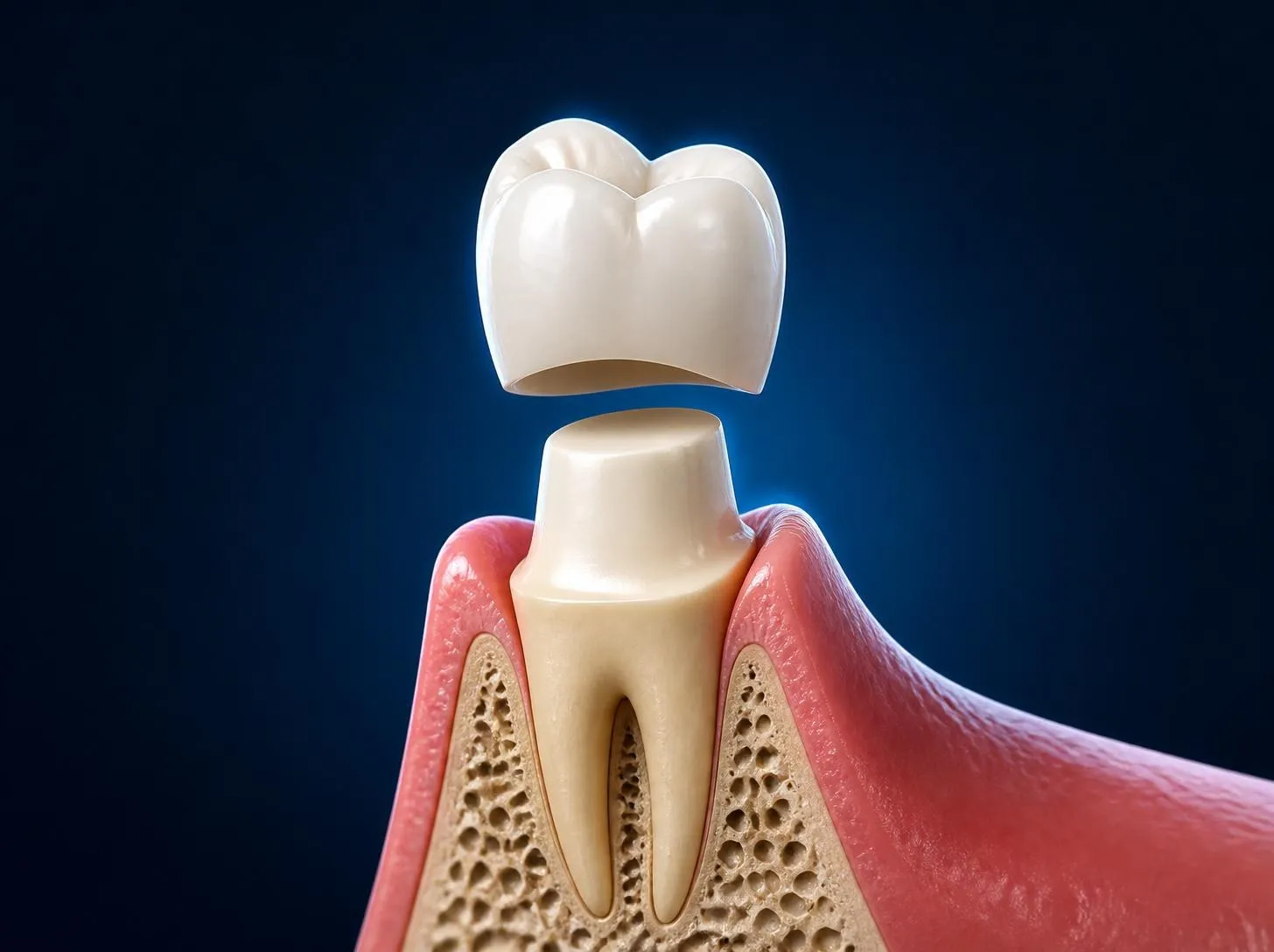
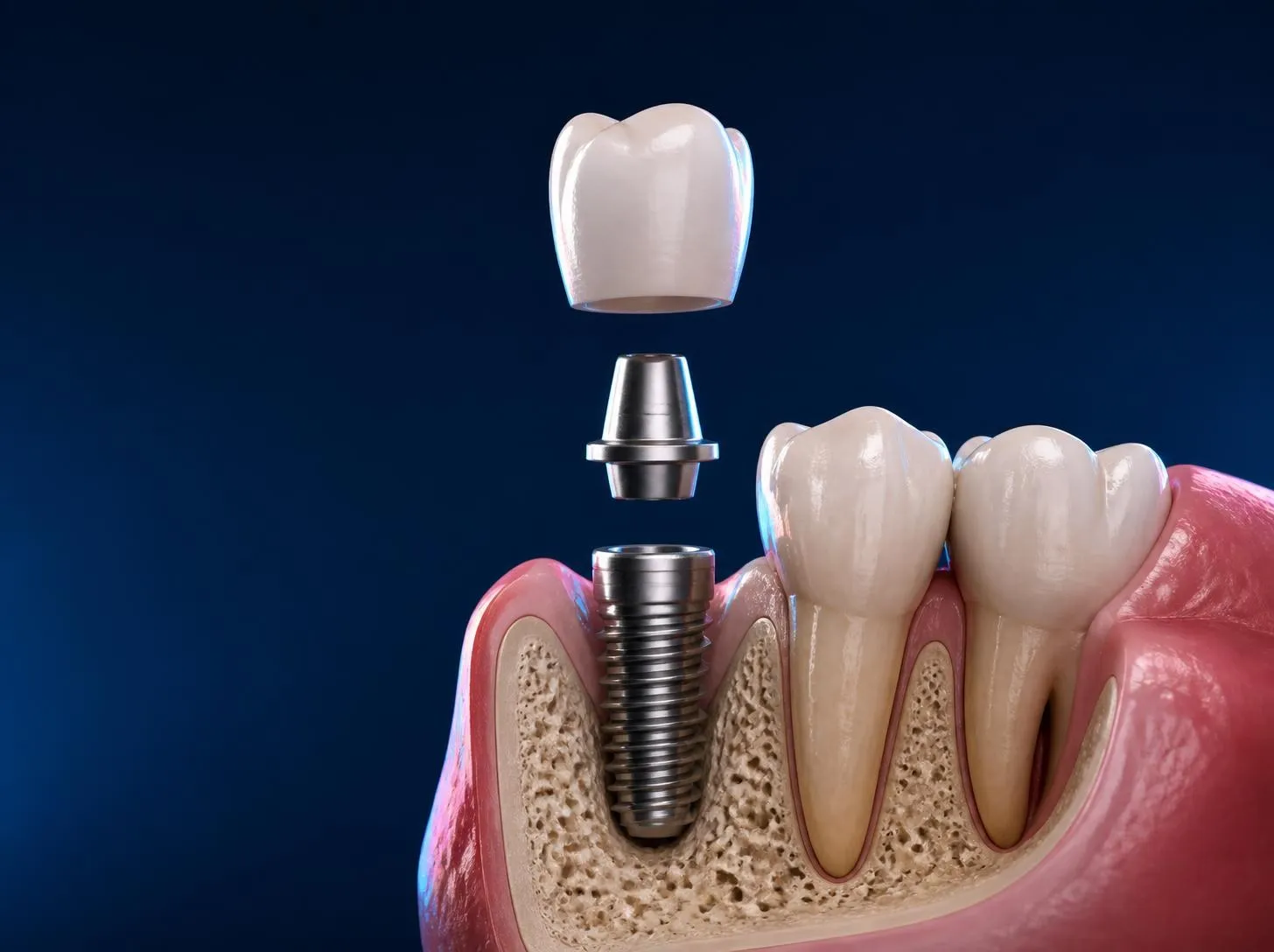
Illustrations, not to scale
A dental crown covers the entire visible part of a tooth, all 360 degrees, and is used where the underlying tooth is heavily filled, broken down or has had root canal treatment. UK Smiles offers zirconium crowns for back-tooth strength and Emax crowns for front-tooth aesthetics. Both materials are widely used across UK and European private practice and carry full written warranties.
Zirconia is a dense ceramic, far stronger than older porcelain-fused-to-metal crowns, with no dark metal margin at the gum line. It suits molars, premolars and anywhere a patient grinds or clenches. Single tooth, multi-tooth bridge, or full-arch restoration on implants, the same material works at every scale. For a more natural look, premium multi-layered zirconia such as Sagemax NexxZr and IPS e.max ZirCAD Prime is also available as an upgrade to standard zirconia.
Laminate veneers are the preference for many patients due to their high level of resistance to permanent staining and short application time. A thin Emax shell is bonded to the front face of the tooth, removing roughly 0.5 mm of enamel. The back and sides of the natural tooth stay intact. See our full veneers cost guide for per-tooth pricing.
Where teeth are missing rather than damaged, dental implants replace the root with a titanium fixture that integrates with the jawbone. For patients missing most or all of their teeth, All-on-4 and All-on-6 provide a full arch of fixed teeth supported by four or six implants. UK Smiles uses MegaGen, Straumann and Nobel Biocare systems, with material batch records on file.
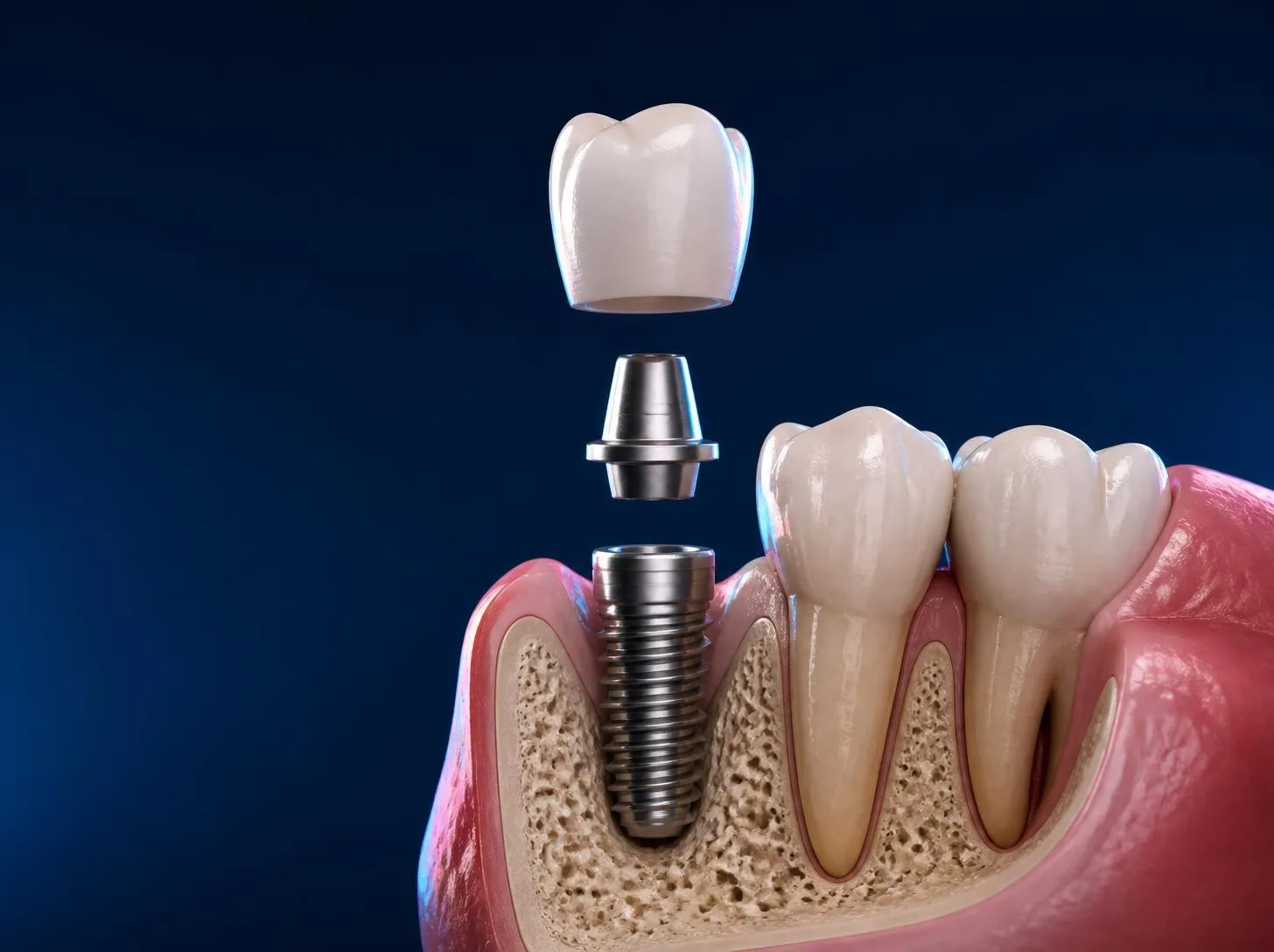
Most legitimate treatment plans use one or two of these in combination. A patient with crooked but healthy teeth might do alignment followed by porcelain veneers, not full crowns. A patient with heavily filled or root-canal-treated teeth might genuinely need crowns. The category mix should follow the diagnosis, not a one-size-fits-all template.
How long they last
Lifespan depends on the treatment, the material, the condition of the underlying tooth and how well it is looked after at home. These are realistic ranges from published clinical data, drawn on one scale.
None of these are permanent. Anyone offering a lifetime guarantee on porcelain or zirconia is making a marketing claim, not a clinical one. Plan for at least one replacement in your lifetime, and ask the clinic in writing what their warranty covers.
The numbers
UK Smiles prices, in pounds, set against typical UK private prices for the same treatment. Treatment in Turkey runs up to 70 per cent cheaper than the UK equivalent for the same materials and the same clinical standards.
A full set of turkey teeth
£3,000to£6,000
All-in price for a full smile makeover, hotel and VIP transfers included. The same work in the UK averages £12,000 to £30,000.
Up to 70% cheaper than UK private
| Treatment | UK private price | UK Smiles price |
|---|---|---|
| Emax laminate veneer (per tooth) | £800 to £1,200 | £280 |
| Emax crown (per tooth) | £800 to £1,000 | £280 |
| Zirconium crown (per tooth) | £600 to £800 | £175 |
| Dental implant, MegaGen (per implant) | £2,000 | £270 |
| All-on-4, both jaws | £28,000 to £50,000 | from £6,400 |
| All-on-6, both jaws | £24,000 to £50,000 | £6,800 to £7,200 |
| Full set of turkey teeth, hotel and transfers included | £12,000 to £30,000 | £3,000 to £6,000 |
← Swipe to see more →
The £3,000 to £6,000 figure is for a full set of turkey teeth, and it is perfectly fine to get less than a full set. The quoted price includes VIP airport pickups and returns, all transfers between hotel and clinic, and the cost of your accommodation across both visits. In-house 3D scans and X-rays are taken where needed and form part of your treatment plan, not a separate bill. An English-speaking patient rep is on call throughout your stay. Every restoration is backed in writing: 5 years on veneers and crowns, 10 years on implants. Return flights from the UK are not included. Plan for £200 to £600 depending on airport and time of year.
The state of your existing teeth and how many teeth you need replacing are the two main factors that will affect the price of your quote. Other factors which affect the cost include the material of choice and travel arrangements.
Be warned, while Turkey is fast becoming the go-to place for cost-effective veneers, not all Turkish dental clinics provide the same standards of care, professionalism, safety and quality, which will often be reflected in the price. At UK Smiles we ensure the lowest veneer prices possible without compromising on the things that matter in the long term, such as your health and the quality of the veneers. We may not offer the cheapest veneers in Turkey, but we offer a service that saves you hundreds or thousands compared to having them made in the UK.
Full sets are only part of what we do. We also help with minor issues such as a crooked tooth, a discoloured tooth, or chipped teeth, and we can apply traditional porcelain or composite veneers where they are the right choice. There are endless options in modern aesthetic dentistry, and the right one depends on your teeth.
The cost of dental treatments in Turkey can be up to 70 per cent cheaper than in the UK. For this reason it is widely regarded as the most affordable country for cosmetic dental procedures. The primary reasons are the lower costs involved in training dentists to the required standards, and the overhead costs of running a business which are generally much lower than in the UK, allowing UK Smiles and our Turkish dentists to pass those savings to you.
Of course, there are pitfalls to be avoided, and UK Smiles always recommends doing your research before booking and paying to have your veneers done in Turkey. It is what we did before we chose the clinic in Antalya, carefully vetting each practitioner to ensure the quality and safety of their service, and we continue to check in.
UK figures are private clinic prices. NHS cosmetic work is not generally available because cosmetic treatment falls outside the NHS scope of care. Quotes in euros and US dollars are available on request, settled at the prevailing exchange rate.
The saving, drawn
Each full ring is the typical UK private price for one tooth. The cyan part is what the same treatment costs with UK Smiles.
Save 75%
Save 72%
Save 69%
MegaGen, per implant
Save 86%
Per-tooth prices. UK figures are typical private prices and vary by practice and city. Full-set packages, with hotel and transfers included, are priced separately and usually work out cheaper still.
What would you save?
Pick a treatment and a package size. UK figures are typical private-practice prices per tooth; ours are the package prices, with your hotel in Lara and transfers included.
Typical UK private price
£0
UK Smiles package price
£0
Holiday package price: your hotel in Lara and airport transfers are included as well as the treatment.
Your saving
0%less than the UK
That is £0 in your pocket
UK figures are typical private-practice prices per veneer. Your written plan gives your exact figure.
Get my exact priceThe honest economics
The price difference between Turkish and UK dental work is real and it is structural. It is not driven by clinics cutting corners on materials or sterilisation. Four economic factors explain the gap.
Rent, utilities, staff salaries and laboratory costs in Turkey run far below UK equivalents. A clinic in Antalya pays a fraction of what a Harley Street equivalent pays in overheads, and that flows through to the patient price.
The Turkish lira has weakened significantly against the pound and the euro over the past decade. UK and European patients paying in their home currency get more clinical work per pound than a domestic Turkish patient does. Premium materials such as Emax veneers and Straumann implants become accessible at mid-range price points.
Turkey has a substantial domestic dental laboratory and manufacturing industry, with crowns and veneers made locally rather than imported. That cuts out the import margin that UK labs typically carry on materials sourced from Germany, Switzerland or the United States.
High-quality clinics in Antalya and Istanbul see far more international patients in a year than equivalent UK clinics. Volume drives down per-patient overhead and lets clinics invest in technology such as 3D scanners, CAD/CAM mills and digital smile design without adding to the patient bill.
None of these reasons require any compromise on materials or hygiene standards. The same Emax blocks, the same Straumann or Nobel Biocare implants, the same Class B autoclaves are available to a Turkish clinic that orders them. The cost difference is geography and economics, not corner-cutting.
The most important section
This is the single most important section on this page. Most of the bad turkey teeth stories trace back to one decision: a patient asked for veneers and was given crowns instead. The two treatments look similar in marketing photos but are very different procedures.
A porcelain veneer is a thin shell, roughly 0.3 to 0.7 mm thick, bonded to the front surface of a tooth. To prepare for a veneer, the dentist removes a small amount of enamel from the front face of the tooth, usually less than half a millimetre. The back and sides of the natural tooth stay intact. Veneers are a cosmetic treatment, not a structural one.
A dental crown covers the entire visible part of the tooth, all 360 degrees. To prepare for a crown, the dentist reduces the natural tooth on every surface, removing roughly 60 to 70 per cent of the tooth structure to create a small core that the crown sits over. Crowns are a structural treatment intended for teeth that are already heavily damaged, root-canal-treated, cracked or broken down.
On TikTok and Instagram, the word “veneers” became a catch-all for any white, uniform smile transformation. Patients use the word “veneer” while showing photos of full-mouth crowns. They walk into a clinic asking for veneers, get crowns, and only realise the difference when they see their own teeth filed down to small stubs in the mirror.
The line every UK patient should hold: if you have healthy enamel and your teeth are not heavily filled or damaged, full-mouth crowns are almost never the right treatment. Veneers, composite bonding, alignment and whitening should be considered first. Crowns belong on teeth that are already compromised.
How much tooth is removed
Porcelain veneer
~0.5mm
of enamel removed from the front face only
Dental crown
60-70%
of the natural tooth structure removed on every surface
Cross-section based on General Dental Council guidance on tooth preparation. Most viral “turkey teeth” cases are crowns presented as veneers. The two are different procedures.
The five failure modes
The reputation did not come from average outcomes. It came from a small number of highly visible cases that travelled fast on social media and were picked up by mainstream UK press. Five factors drove it.
Healthy teeth filed down to pegs to fit full-coverage crowns when veneers would have done the job.
Full-mouth treatment squeezed into a four-to-seven day trip, with diagnostics, prep, lab work and fitting all running in parallel.
Shade choices that look bright on camera but read as artificial in person, plus uniform square shapes that age poorly.
Patients asking for one treatment and receiving another, often because the terminology was used loosely on both sides.
When something goes wrong, a clinic 2,000 miles away is harder to access than one down the road.
The 2023 BBC documentary Turkey Teeth: Bargain Smiles or Big Mistake? ran a memorable experiment. NHS dentist Trishala Lakhani sent photos of her almost-perfect teeth to 150 cosmetic clinics in Turkey and 50 in the UK. Over half of the Turkish clinics that responded recommended veneers or crowns. None of the UK clinics did.
The case for caution does not come from the country. It comes from clinics willing to recommend invasive work where none was needed.
Done well
Good cosmetic dental work in Turkey looks like good cosmetic dental work anywhere. The shade matches the patient’s skin tone and age rather than maxing out the brightness scale. The tooth shapes have small natural variations, not identikit squares. Edges are slightly translucent, not flat opaque slabs. Gums sit cleanly around the new restorations with no visible margins.
On the clinical side, the warning signs disappear. The dentist takes proper records, including 3D scans, X-rays and a full bite analysis, before any drill touches a tooth. Treatment is staged across separate visits where it should be. Veneers are recommended over crowns where the natural tooth supports it. Implant cases are planned with proper bone assessment and given time to integrate.
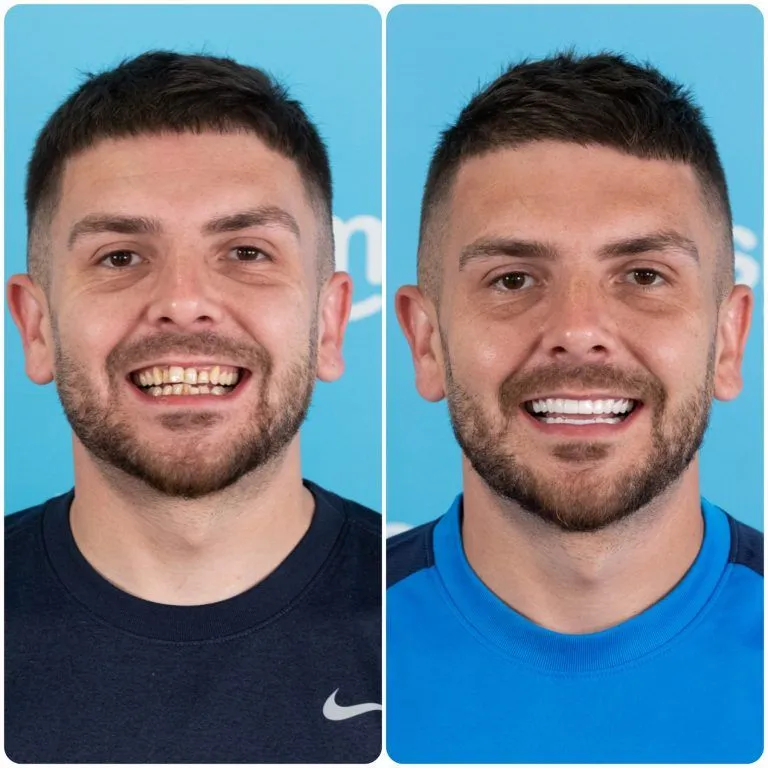
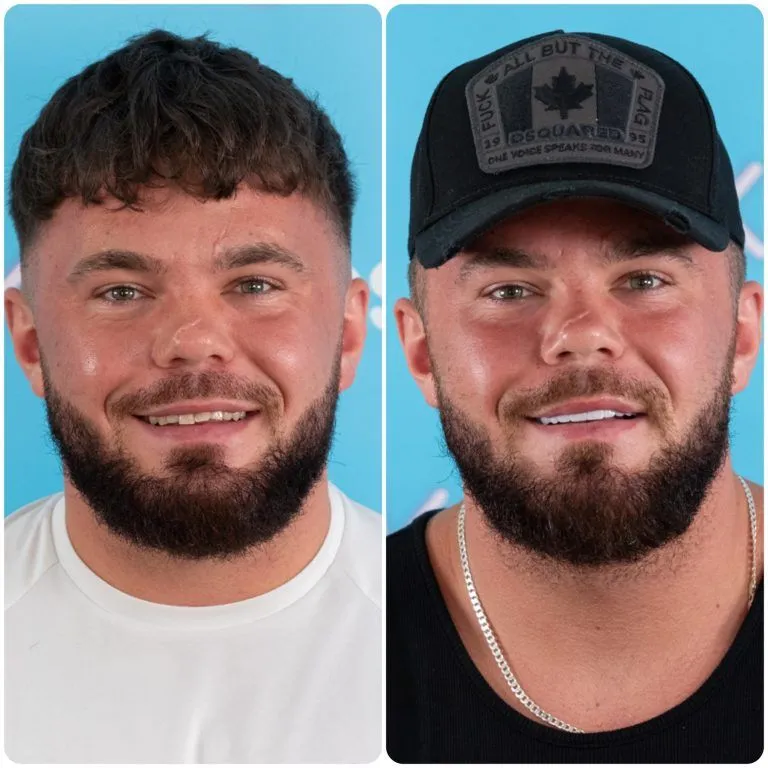
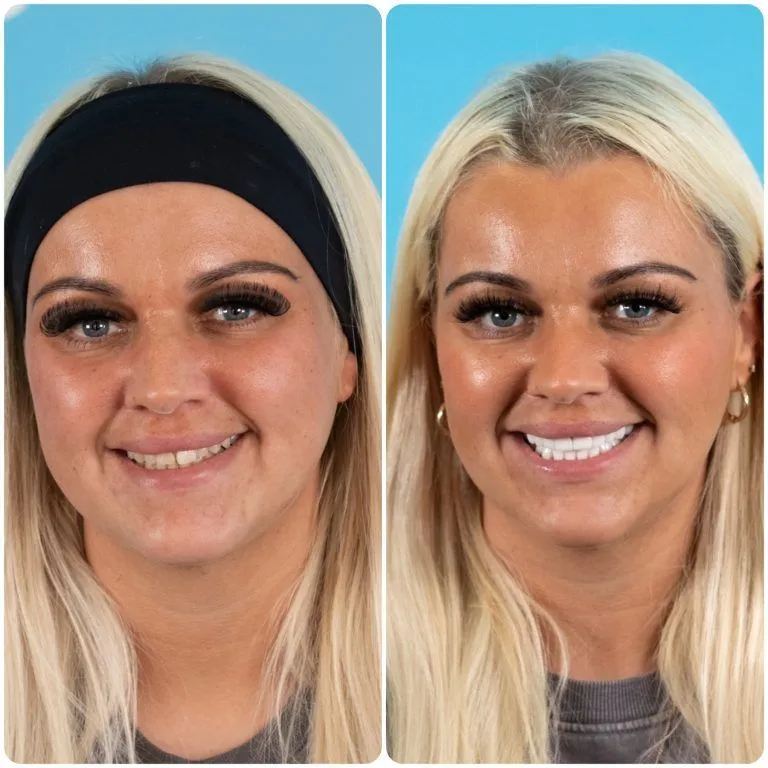
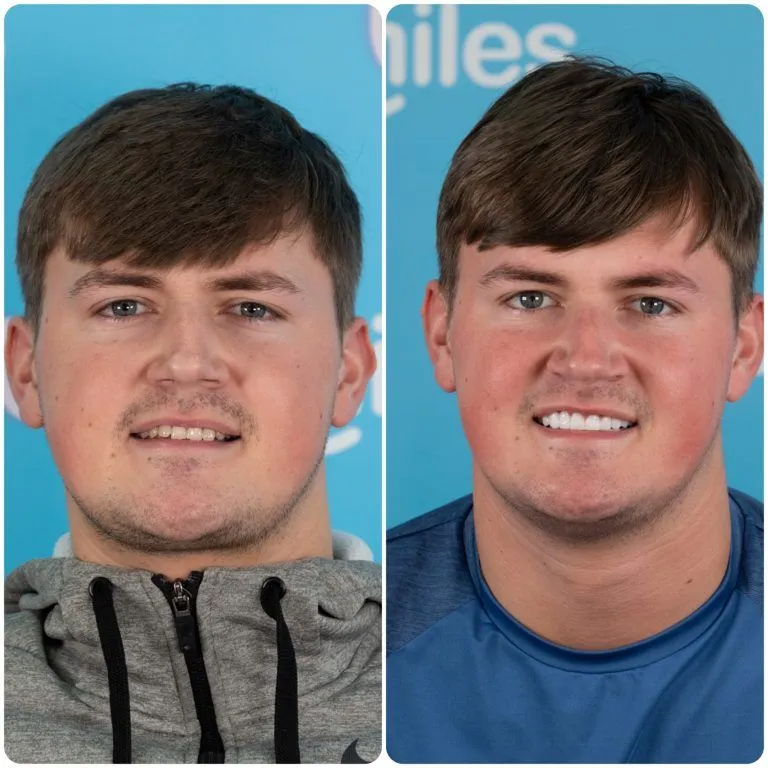
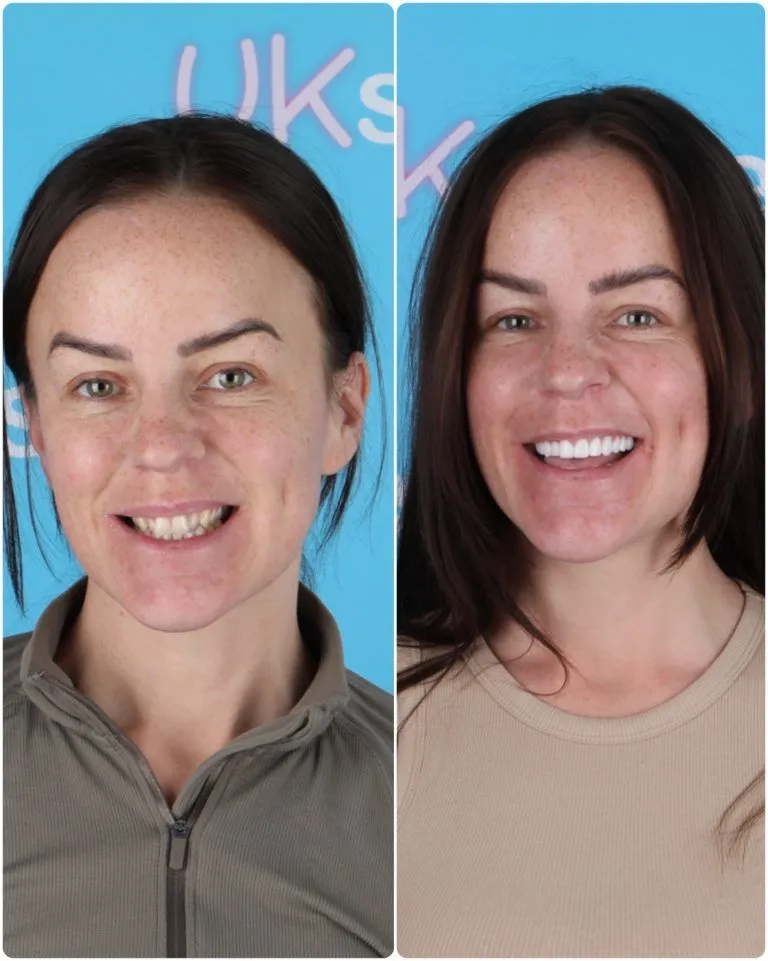
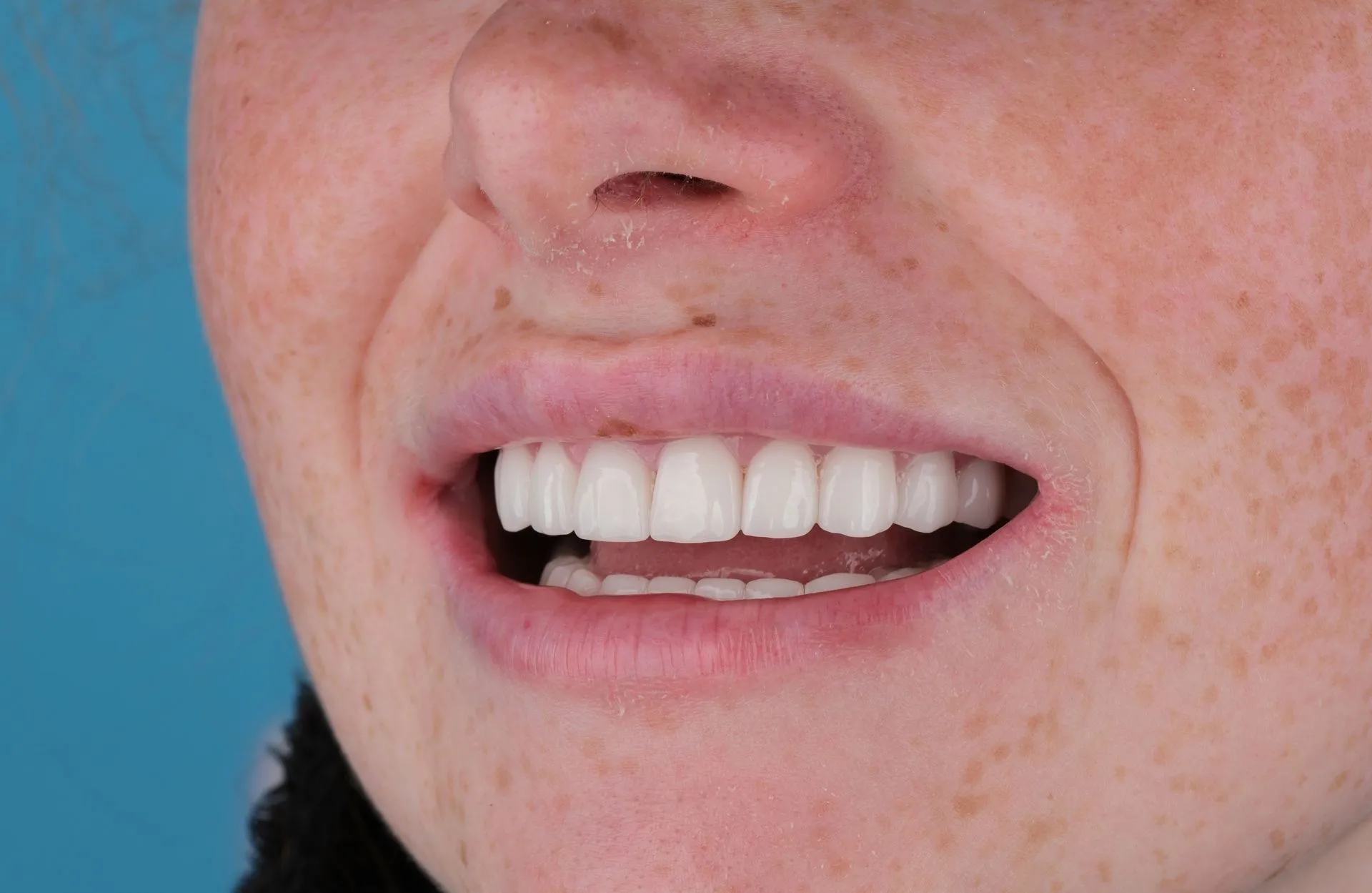
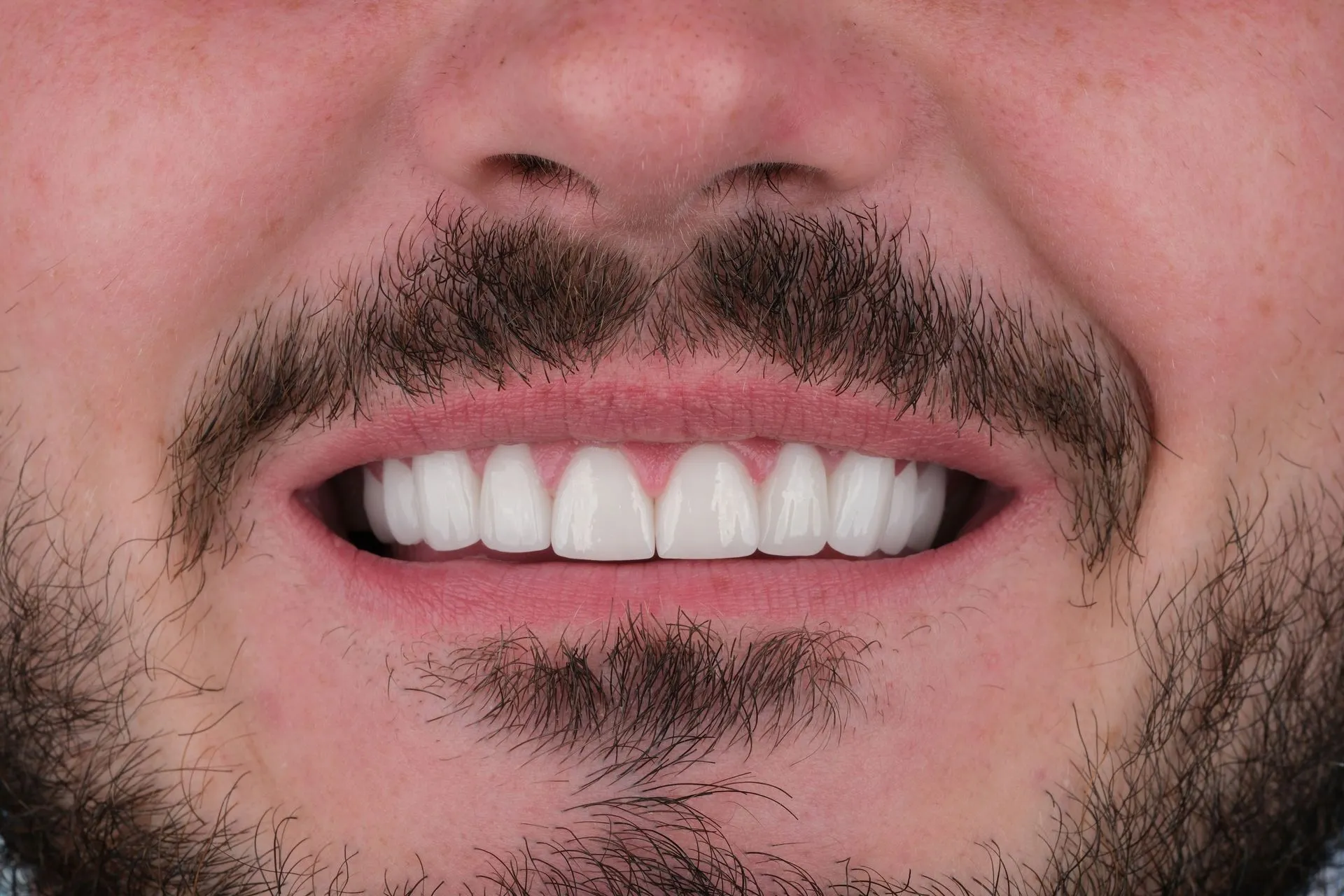
See the full before and after gallery for more conservative, well-planned outcomes.
UK Smiles patient case studies
Real cases give a clearer picture than averages. These three are UK Smiles patients you can read about in full, covering the most common reasons people travel to us, with the reasoning behind each plan.

Jody · Full set of zirconia crowns
Years of wear had left her upper teeth short and uneven, the shade had darkened and one tooth sat back behind the others. Whitening or bonding would not have fixed the shape, so crowns were the honest answer.
Read Jody’s full story →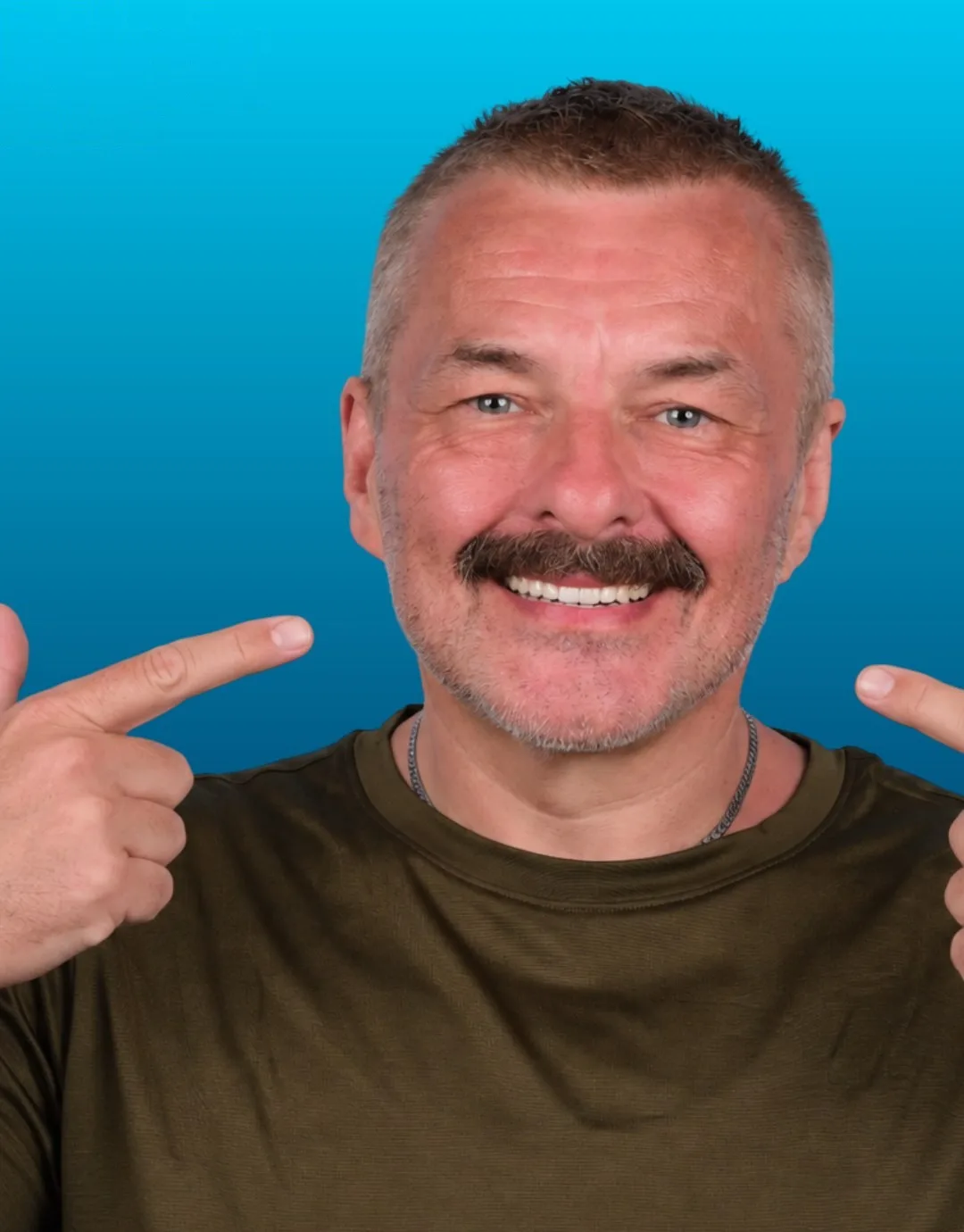
Nick · All-on-6
Patching his own teeth one at a time was no longer worth doing. After a consultation and X-rays in Leeds, the plan was six implants in each jaw carrying a fixed set of teeth, rather than trying to save what was left.
Read Nick’s full story →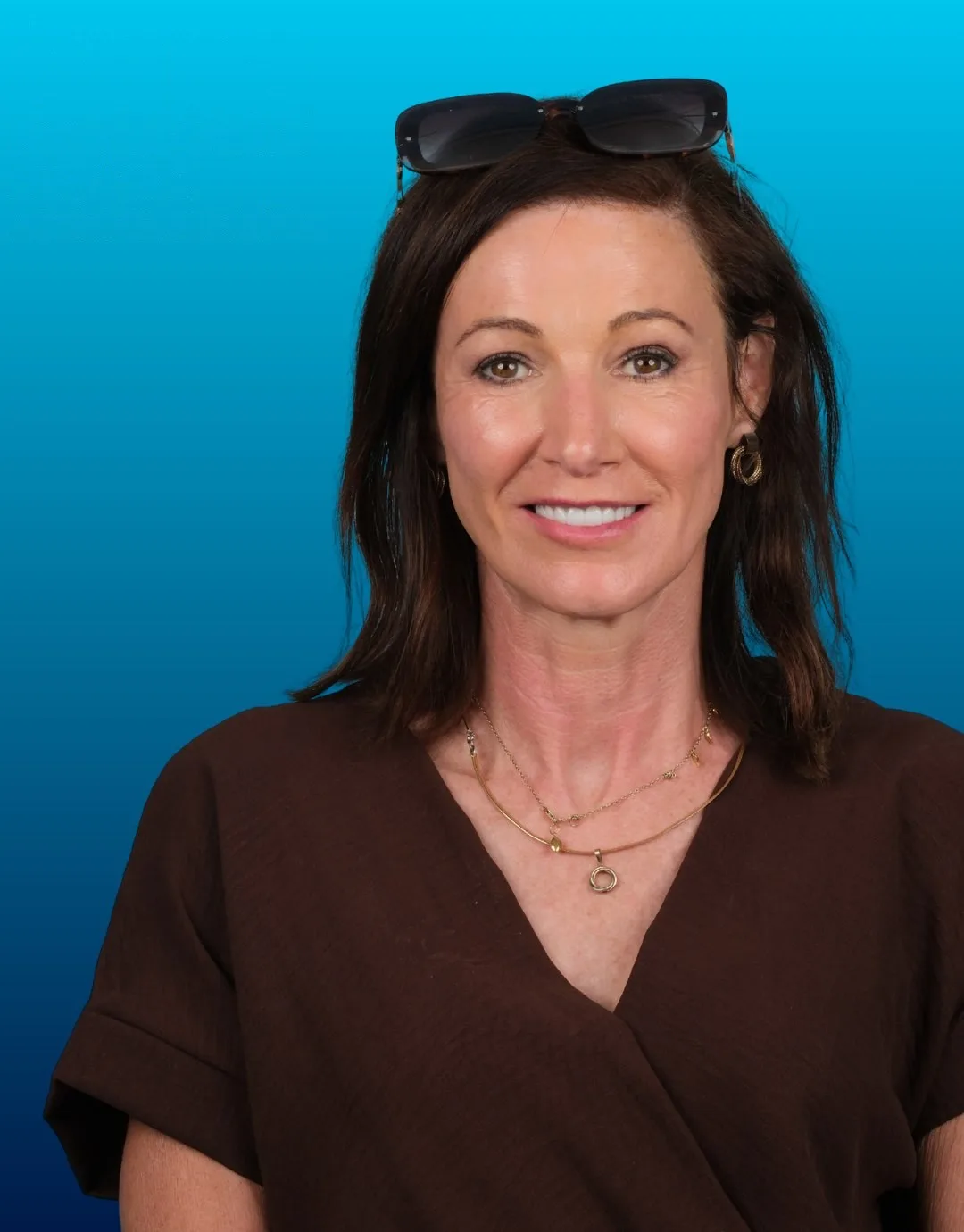
Anna · Implants, bridges and zirconia crowns
Years of failing crowns and an old front bridge with a false gum line. The old work came out, implants replaced the missing teeth, and the whole smile was rebuilt so it matched in shape and shade.
Read Anna’s full story →Read more on our patient case studies page or browse reviews from UK patients.
Clinic selection
The single biggest predictor of a good outcome is clinic selection. A small set of checks rules out most of the clinics that produce viral horror stories.
For a closer look at how UK Smiles approaches each of these checks, take a tour of the clinic in Antalya and meet the clinical team.
Coming home
Plan for ongoing care from the moment you book. The treatment is one trip. The aftercare is a 10-to-20 year relationship with a UK dentist who can take responsibility for hygiene, bite checks and small repairs.
Most veneers and crowns placed in Turkey use internationally recognised materials and bonding systems. UK and US dentists can work on them when something needs adjusting. Some UK dentists are cautious about taking responsibility for restorations they did not place, which can affect cost and availability of follow-up care. Settle this before you fly. Ask your usual dentist whether they are willing to provide aftercare on Turkey-placed work, or find one who is.
Six-monthly check-ups and hygiene appointments matter more after cosmetic work, not less. Crown and veneer margins are common sites for plaque and decay. A hygienist trained on cosmetic restorations will protect the work over the long term.
Reputable Turkish clinics include a return-trip warranty period, typically 12 months for fitting issues and longer for material failure. For minor problems, a UK dentist can usually adjust or repair locally and the Turkish clinic reimburses against receipts. For major issues such as bite problems or implant failure, plan a return visit. The warranty terms should be specified in writing before treatment, not improvised after.
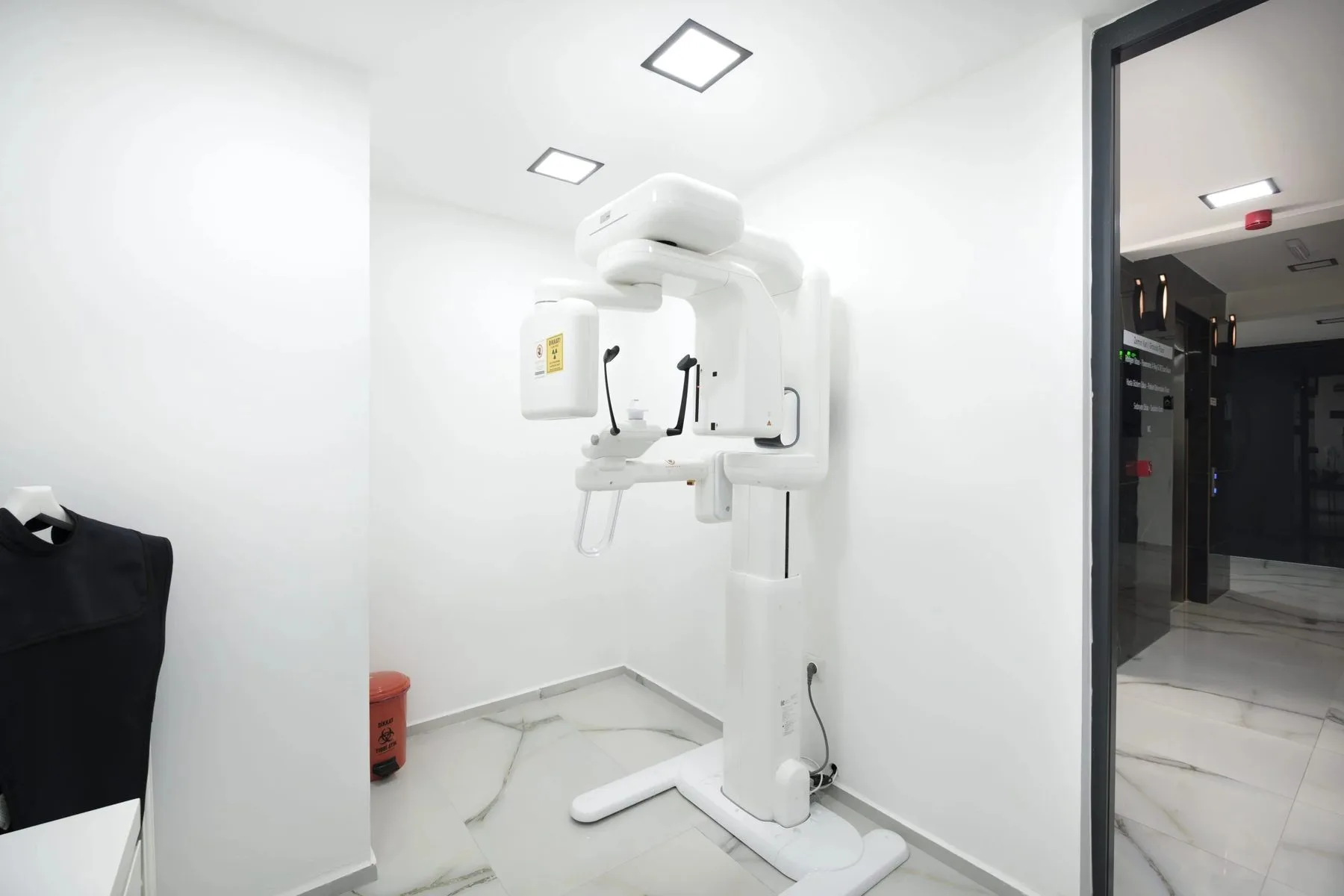
Our approach
UK Smiles operates from a 12-room clinic in Antalya, with a UK-facing care team that handles consultation, plan, travel and aftercare. The clinical philosophy answers each of the bad-rep failure modes above.
3D scan, full X-rays, bite analysis and photo records before any treatment plan is finalised. No drill until the records are in.
Veneers chosen over crowns where enamel supports it. Fewer teeth treated where fewer will do. Whitening before any restoration plan is built.
Emax for veneers. Zirconia for crowns where indicated. MegaGen implants as standard. Material batch records on file.
Implants given proper integration time across two visits, not forced into a single trip. Bite analysis after fitting, not before.
Dedicated UK contact for the first 12 months post-treatment. A network of UK dentists who will provide local aftercare on UK Smiles work.
5 years on porcelain veneers, 5 years on zirconium crowns, 10 years on implants, in writing before any deposit.
Common questions
Cosmetic dental treatment in Turkey is as safe as cosmetic dental treatment anywhere when it is carried out by a qualified clinician using recognised materials in a regulated clinic. Safety risk rises with poor clinic choice, rushed timelines, and treatment that is more invasive than the diagnosis warranted. Choose well, plan properly, and the safety profile is similar to UK private dentistry.
Turkey teeth cost less because Turkish operating costs, lab costs and currency exchange rates run far below UK equivalents. Domestic dental manufacturing and high patient volumes lower per-patient overhead further. None of those factors require cuts to material quality or hygiene standards.
Properly bonded veneers and properly cemented crowns do not fall out when the underlying tooth is healthy and the bite is balanced. The cases that go viral on social media usually involve poor bonding technique, contamination during fitting, or crowns placed on teeth that should have been treated differently. Material failure rates for Emax veneers and zirconium crowns are low across published clinical data.
No. Cosmetic dental work is outside the NHS scope of care in England, Scotland, Wales and Northern Ireland. NHS treatment covers clinical need, not aesthetics. Travel to Turkey for cosmetic work is one option. Private cosmetic dentistry in the UK is the other.
Veneer or crown work usually involves two trips. The first trip handles preparation, scanning and temporary fitting, lasting 5 to 7 days. The second trip handles fitting of the final restorations, lasting 4 to 5 days. Implant work runs across two trips with 3 to 6 months in between to allow integration. Anyone offering full-mouth implant treatment in a single five-day visit is compressing biology that should not be compressed.
Yes, most UK dentists will work on cosmetic restorations placed in Turkey when they use recognised materials such as Emax, zirconia, Straumann or Nobel Biocare. Some will charge a premium for taking on work they did not place. A small number prefer to remove and replace rather than adjust. Settle aftercare arrangements with your UK dentist before you travel.
Tooth preparation cannot be undone. Once enamel has been removed for a veneer or a crown, it does not grow back. The restoration itself can be replaced with a new restoration of the same type, but a tooth that has been crowned cannot easily be restored to a veneered state without further intervention. Conservative treatment matters because every step is permanent in part.
Emax is a lithium disilicate ceramic used mostly for veneers and onlays where translucency and natural appearance matter. Zirconium is a denser, stronger ceramic used mostly for crowns and bridges where strength matters more than translucency. They are different materials for different jobs. A good treatment plan uses each where it is clinically appropriate.
Free, no deposit
Send us photos. Receive a tooth-by-tooth plan, materials specification, and price within 48 hours. No deposit required, no pressure.