
Can You Get Turkey Veneers With Gum Disease or Receding Gums?
Turkey veneers cannot be fitted safely over active gum disease, and no reputable clinic will bond them to inflamed or bleeding gums. Treatment comes first, usually two to three months of gum care, then veneers once everything is stable.
That answer costs us enquiries every week. It is still the only honest one, and any clinic that tells you otherwise has just told you everything you need to know about them.
Why can't veneers be fitted over gum disease?
Veneers fail early on diseased gums for three reasons: bleeding contaminates the bond during fitting, the swollen gum line the veneers were designed around changes shape as inflammation settles, and the disease keeps destroying the foundations underneath the cosmetic work.
A veneer's edge, the margin, is positioned in careful relation to your gum line. Design that margin around a swollen gum and the gum shrinks back once the inflammation resolves, leaving a visible ledge and an exposed strip of tooth.
There is a blunter problem underneath. Gum disease does not pause because the teeth above it look better. Fit veneers over untreated periodontitis and you can end up with beautiful ceramic bonded to loosening teeth.
Wondering how many people fail this check?
How common is gum disease in the UK?
Gum disease is one of the most common health conditions in Britain, so failing a gum screening puts you in a very large club. Some level of irreversible periodontitis affects almost half of UK adults, according to GOV.UK guidance for dental teams [1].
The two stages matter for your plans. Gingivitis, the early bleeding-and-inflammation stage, is reversible with proper cleaning within weeks. Periodontitis, where the bone supporting the teeth has been damaged, can be stabilised but not undone.
Neither stage rules veneers out forever. Gingivitis usually delays treatment by a few weeks. Stabilised periodontitis needs a more careful plan and a lifelong maintenance routine, but it is workable in many cases.
Sure your own gums would pass?
What are the signs your gums are not ready?
The warning signs are bleeding when you brush or floss, gums that look red or puffy along the tooth line, persistent bad breath, gums pulling away from the teeth, and any tooth that feels slightly loose. Two or more of these means see a hygienist before you see a treatment coordinator.
- Bleeding on brushing. Healthy gums do not bleed under a soft brush. Regular pink in the sink is the earliest and most ignored sign.
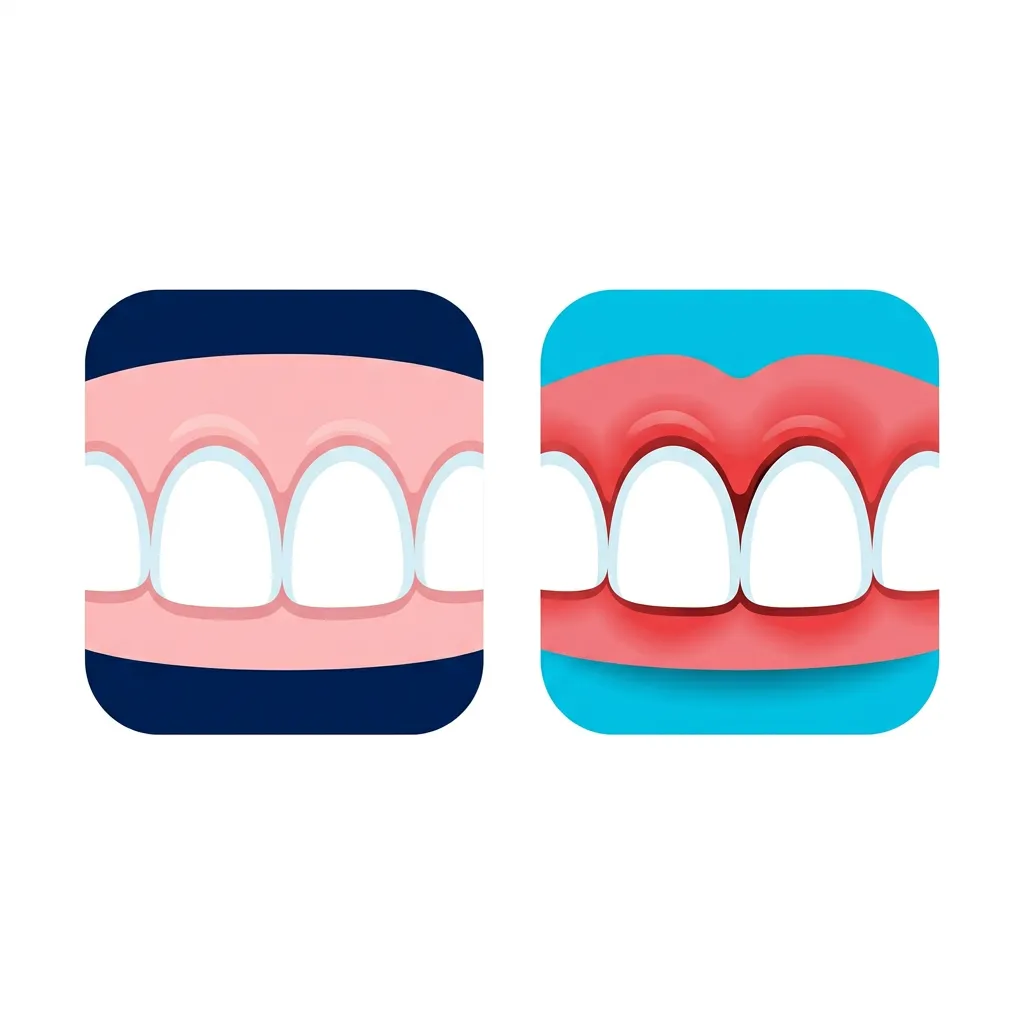
- Red, swollen margins. Healthy gum sits pale pink and firm against the tooth; inflamed gum looks shiny, rounded and darker.
- Persistent bad breath. The bacteria driving gum disease produce it, and mouthwash only masks it.
- Recession. Teeth looking longer than they used to means the gum line is on the move.
- Movement. Any adult tooth that shifts under finger pressure needs a dentist this month, not a veneer consultation.
None of this diagnoses anything on its own. It tells you which appointment to book first, and it is exactly what a decent clinic will ask about at enquiry.
What screening should happen before you fly?
Proper screening starts before you book flights: photographs and recent X-rays reviewed at the enquiry stage, direct questions about bleeding gums, then a full periodontal check at your in-person consultation before any tooth is touched.
- At enquiry. The clinic asks for clear photos and, ideally, X-rays from your UK dentist. Bleeding, swelling and recession show up on both, and a serious clinic wants to see them before quoting.
- Before booking. A hygienist visit at home. It costs little compared with flights booked around a treatment you then fail the assessment for.
- At consultation. A periodontal chart, where the dentist measures the pocket depths around your teeth, plus fresh X-rays. It takes minutes and it tells the truth about your gums.
The red flag is the absence of all this. A clinic that quotes you a full set of veneers from a smile selfie, with no questions about your gums, is not confident your gums are healthy. It is simply not interested.
Can you get veneers with receding gums?
Receding gums allow veneers only when the recession has stopped and its cause has been treated. Stable, historic recession can be worked around with careful margin placement; active recession keeps moving and exposes the veneer edges within a couple of years.
Recession has several drivers: gum disease, years of aggressive brushing, grinding, naturally thin gum tissue. A good clinic works out which one you have before promising anything, because the cause changes the plan.
Recession around existing dental work creates a familiar cosmetic complaint, the dark rim that appears where a crown meets shrinking gum. We cover receding gums and the black line problem in its own guide.
So what happens while you wait?
What does treatment-first actually look like?
Treatment-first means gum therapy at home or at the clinic, a changed daily cleaning routine, then reassessment after 8 to 12 weeks. Veneers get booked once bleeding has resolved and pocket depths are stable, not before.
For gingivitis, a professional clean and better home care usually sorts it inside a month. For periodontitis, deeper cleaning below the gum line is needed, sometimes across several visits, spread over two or three months.
Then the cosmetic work starts on solid ground. We fit veneers once your gums are healthy, design the margins around a gum line that has stopped moving, and the result lasts the years it should.
Where the treatment happens is flexible. Hygiene therapy and deep cleaning can be done by your UK hygienist before you travel, or at the clinic across a longer first stay, whichever suits your diary and budget. The reassessment is the fixed point, not the location.
The timeline stings when you wanted treatment next month. It stings less than flying home with veneers whose margins are showing by Christmas.
Where gum health fits your wider research
Healthy gums are one half of the foundation question; the tooth itself is the other. Preparation depth, bonding surface and remaining enamel decide whether ceramic helps or harms, and protecting tooth health under veneers covers that side in full.
Gum disease that has already cost you a tooth changes the plan again, because veneers only work on teeth that exist. There are veneer options with missing teeth, usually pairing an implant for the gap with ceramic work on the rest.
And gum care does not end when the veneers go on. Margins need daily attention with a soft brush and floss, and gum care in your aftercare routine is what keeps the foundations as good as the ceramic sitting on them.
Frequently Asked Questions
-
Can I get veneers with gingivitis?
Not on the day it is diagnosed, but soon after. Gingivitis usually resolves within two to four weeks of a professional clean and proper home care. Most clinics, ours included, will reassess and go ahead once the bleeding has stopped and the gums sit firm.
-
Will a Turkish clinic really check my gums before treatment?
A good one will chart your gums at consultation and delay or decline treatment if disease shows up. A bad one will start prepping the same morning. Ask any clinic directly what happens if they find gum disease when you arrive; the answer is very revealing.
-
How long after gum treatment can veneers be fitted?
Usually 8 to 12 weeks after successful treatment, once the gum line has settled into its final position. Fitting sooner risks designing margins around gums that are still shrinking, which is exactly how ledges and exposed edges happen. The wait protects the result.
-
Can gum disease come back after veneers are fitted?
Yes. Veneers change nothing about your susceptibility, and margins give plaque an extra edge to cling to. Daily cleaning along the gum line, interdental brushes and regular hygienist visits keep it away. Skip those and the same disease returns around more expensive teeth.
Get a free quote for your teeth
References
- [1] GOV.UK, Delivering Better Oral Health: chapter 5, periodontal diseases - cited for some level of irreversible periodontitis affecting almost half of UK adults - gov.uk - accessed July 2026.