
What to Eat After Dental Implant Surgery
Eating after dental implant surgery moves through three stages: cool liquids and smooth food for the first 24 hours, soft food through days 2 to 7, then a gradual return to normal chewing over weeks 2 to 6. No straws, at any stage.
Every patient with implants placed at the clinic in Antalya gets a version of this list on paper before they fly home. This is the fuller edition, built from food already in a British kitchen, because recovery advice is useless if it assumes you live next to a juice bar.
What Can You Eat in the First 24 Hours?
First-24-hour food is anything smooth, cool to lukewarm, and eaten with a spoon. The surgical site is forming its blood clot, so the day's rules are simple: no heat, no suction, no chewing anywhere near the implant.
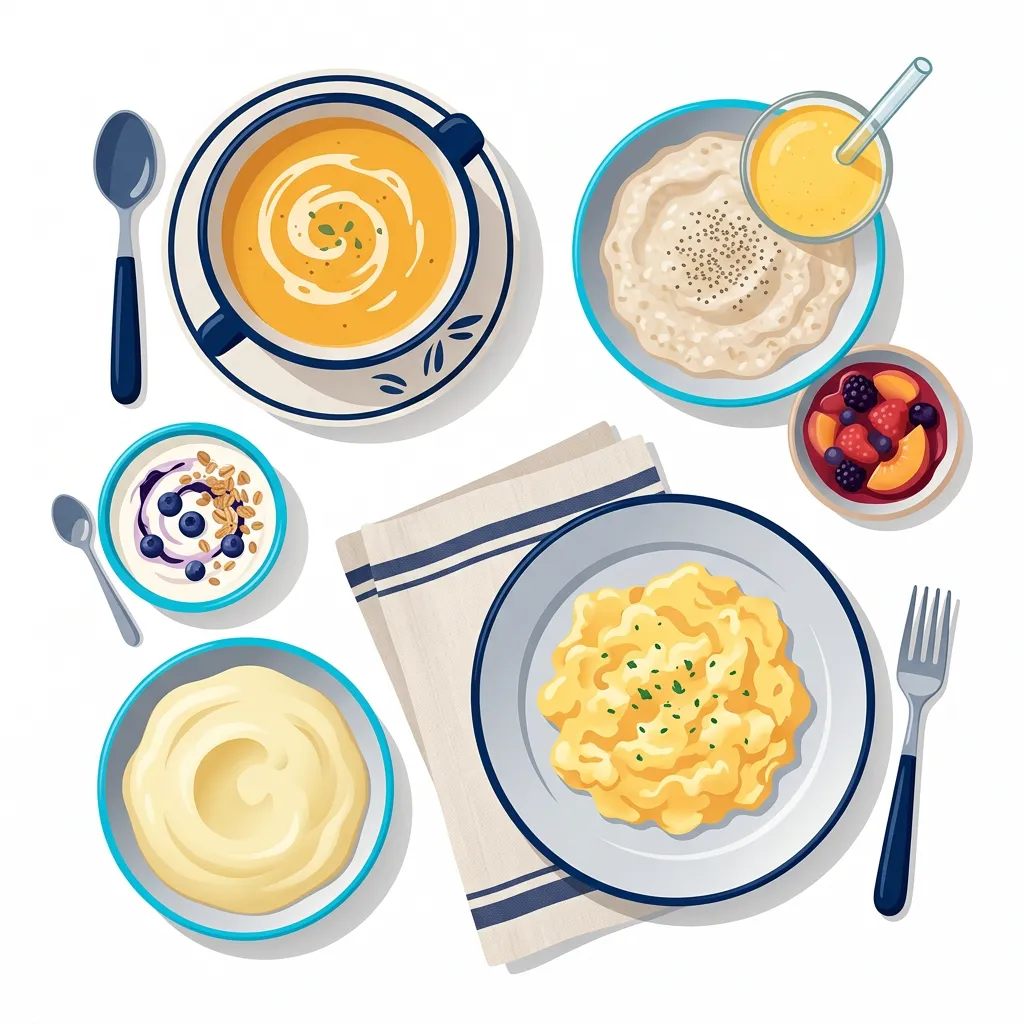
- Soup, blended smooth and left to cool to warm: leek and potato, tomato, butternut squash
- Smoothies eaten with a spoon or sipped from a cup, never a straw
- Plain yoghurt, if your antibiotics allow dairy
- Custard, jelly and mashed banana
- Porridge made runny and served warm, not hot
- Lukewarm scrambled egg late in the day if you feel up to it
The yoghurt caveat matters. Certain antibiotics prescribed after implants bind to calcium and stop absorbing properly, which is the strong half of the no-dairy rule. We have covered the dairy question answered in full, including which prescriptions it applies to and which it does not.
Drink plenty, from a glass. Water and cool squash are ideal on day one, and builder's tea can return from around 48 hours once you let it drop to warm rather than scalding. Fizzy drinks sting a fresh site, so park them for a few days.
Bored of spoon food already?
What Should You Eat in Days 2 to 7?
Days 2 to 7 are the soft-food week: meals that need a fork but not much of a bite. This is comfortably the best-catered recovery diet in Britain, because half our national dishes are soft by design.
- Scrambled eggs and omelettes
- Mashed potato in every format: on its own, under shepherd's pie or cottage pie filling, in fish pie
- Flaked poached or baked fish
- Well-cooked pasta with smooth sauces
- Porridge, or Weetabix soaked properly soft
- Slow-cooked stews and casseroles where the meat falls apart
- Hummus, avocado and soft scrambled tofu
- Stewed apple, ripe pears and tinned fruit
- Soup upgraded with soft bread dunked until it gives up
Chew on the opposite side to the implant, and keep seasoning mild for now. Comfortable eating is also pain management by other means; the guide to food choices that reduce pain explains why cool, soft and bland genuinely shortens the sore days.
Protein does the actual repair work, so build the week around it: eggs, flaked fish, slow-cooked meat, lentil soup and blended bean soups all deliver it in soft form. Patients who eat properly through week one tend to heal more comfortably than the ones living on jelly alone.
Itching to chew properly again?
How Do You Step Back to Normal in Weeks 2 to 6?
From week 2, food firms up gradually: soft-normal meals first, then everyday textures as tenderness fades. Most patients eat more or less normally by weeks 4 to 6, still steering the hardest foods away from the implant site itself.
A sensible ladder looks like this: week 2, rice dishes, tender chicken and well-cooked vegetables; week 3, sandwiches on soft bread and firmer fish; weeks 4 to 6, most normal meals, with crusty bread, nuts and anything genuinely hard saved until your dentist confirms the site is ready.
Let comfort set the pace. Tenderness when chewing on the site is your signal to drop back a rung for a few days, not to push through.
A good milestone meal for weeks 4 to 6 is a Sunday roast with tender meat and soft vegetables, eaten without planning every mouthful around the implant. If that passes without a twinge, normal service is close.
What Should You Avoid While the Implant Heals?
The foods to avoid while an implant heals are the hot, the crunchy, the spicy and the sticky, plus anything drunk through a straw. Alcohol stays off the menu for at least the first 48 hours, and longer with most antibiotics.
- Straws, for the whole healing period: milkshakes, smoothies and iced coffees by cup and spoon only
- Very hot food and drinks in the first 48 hours
- Crisps, nuts, seeds, popcorn and crusty bread near the site in the early weeks
- Toffee, chewing gum and anything that pulls
- Hot spice while the wound is fresh: korma yes, vindaloo later
- Alcohol for 48 hours minimum, and for the full course of any antibiotic that says so
Smoking is not food, but it belongs on this list anyway: it slows gum and bone healing more than any menu choice you could make.
Wondering what the straw ever did wrong?
Why Do Straws, Heat and Crunch Cause Trouble?
Each ban protects the blood clot sealing your surgical site. Suction from a straw can pull the clot out, heat expands blood vessels and restarts bleeding, and crunchy fragments lodge in the wound where they irritate and infect.
The straw rule surprises people most, so it earns the explanation: the same gentle vacuum that lifts a milkshake up a straw acts on every surface in your mouth, including the one surface that must not be disturbed. Seven days of drinking from a cup is a small price for an implant that stays put.
Spice and alcohol are irritation and interference respectively: chilli inflames raw tissue, and alcohol both slows healing and clashes with several of the antibiotics used after implant surgery. None of it is forever. All of it matters most in week one.
More Recovery Reading
If your trip includes veneers or crowns as well as implants, note that the two recoveries run on different clocks: veneers need days of caution while implants need weeks, and the reasons differ too. For the cosmetic side, eating with veneers, a different rulebook covers the 48-hour soft window, the fortnight of caution and the few rules that never expire.
Eating stages also make more sense seen against the whole treatment map: placement trip, months of healing at home, then the fitting trip when your final teeth arrive. For that wider view, including what happens between visits, see where eating rules fit the treatment timeline.