

What You Can and Cannot Eat With New Turkey Veneers
New Turkey veneers restrict what you eat for about two weeks, not forever. The first 48 hours call for soft, lukewarm food; the first fortnight for caution with hard, sticky and heavily staining meals; after that, almost everything is back on the menu.
Here are both lists first, then the reasoning and the timings behind them.
What Can You Eat With New Veneers?
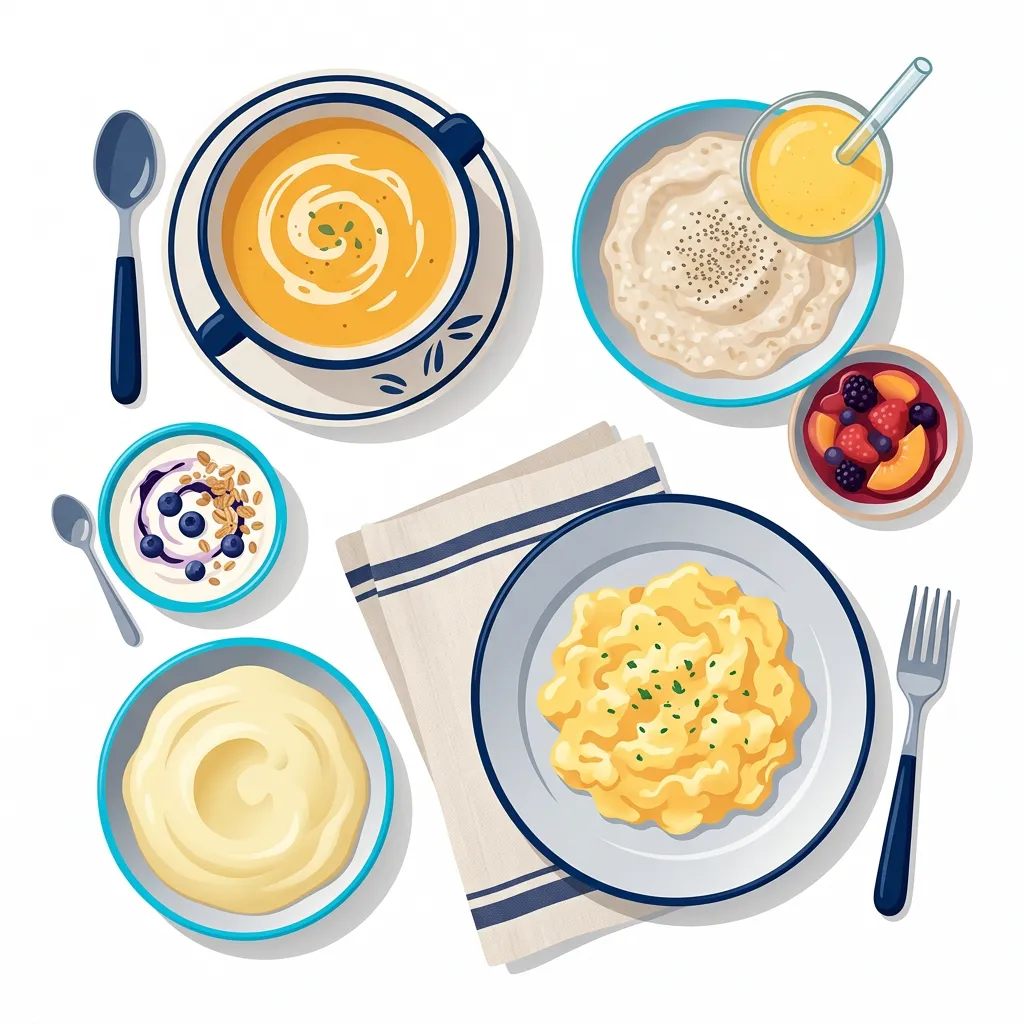
Safe foods with new veneers are soft, cool to warm, and chewable without force. In practice that covers most of a normal British week: eggs, fish, pasta, rice, potatoes in every soft form, and stews or casseroles where the meat gives way easily.
- Scrambled, poached or boiled eggs and omelettes
- Soup, once it is warm rather than scalding
- Mashed potato, jacket potato insides, cottage pie and fish pie
- Pasta, rice and couscous dishes
- Flaky fish, slow-cooked meat and casseroles
- Bananas, berries and stewed or tinned fruit
- Well-cooked vegetables, hummus and avocado
- Yoghurt, custard and rice pudding
Ready for the banned list?
What Should You Avoid With New Veneers?
The foods to avoid with new veneers fall into three groups: hard things that shock the ceramic, sticky things that pull at fresh bonding, and heavy stainers that mark margins before they have fully sealed. The first two matter most in the fortnight after fitting.
- Crusty baguettes, hard rolls and biting into whole apples
- Ice cubes, boiled sweets, brittle and pork scratchings
- Toffee, chewy caramels and chewing gum in the first fortnight
- Nuts and seeds cracked directly with front teeth
- Corn on the cob and ribs eaten straight off the bone
- Very hot drinks in the first 48 hours, while teeth are temperature sensitive
- Red wine, black coffee and turmeric-heavy food in excess during the first two weeks
Each group earns its place differently. Hard foods risk chips through impact, sticky foods grip and pull at fresh edges, and stainers only threaten the parts of the work that are not glazed ceramic. Knowing which group a food sits in tells you whether its rule is temporary or permanent.
What Are the Rules for the First 48 Hours?
The first 48 hours after veneer fitting are the soft-food window. The bonding cement is fully hardened when you leave the chair, but your gums are tender from preparation, your bite is recalibrating and your teeth react sharply to temperature.
Eat as though you have mild toothache: soup, eggs, mash, yoghurt, pasta. Skip anything that needs a confident front-tooth bite, and let hot drinks cool for a few minutes first.
Expect zings from cold air and cold drinks in these first days. That reaction is the prepared tooth adjusting under its new cover, not a fault, and it fades steadily. We explain the sensitivity window explained in full, including how long the odd twinge normally hangs around.
How Do Temporary Veneers Change the Rules?
Temporary veneers tighten every rule, because they are acrylic shells held on with weak cement by design. They stain faster than any final material, and they come off under forces a bonded E-max veneer would barely register.
If you are mid-treatment in Antalya, wearing temporaries between preparation day and fitting day, treat the avoid list as law for that stretch: nothing sticky, nothing hard, nothing scalding, and go gently on turmeric, coffee and red wine.
A stained or popped-off temporary is a fixable nuisance rather than a disaster, but it is a nuisance you can skip entirely with three or four careful days.
Counting down the fortnight already?
What Changes During the First Fortnight?
Days 3 to 14 are a gradual widening of the menu. Chewing confidence returns, sensitivity tapers off, and by the end of week two most patients are eating normally apart from the genuinely hard and sticky items.
Keep two cautions running for the full fortnight. First, hard bites: the bond between veneer and tooth is at full strength, but your bite awareness isn't, and people misjudge crusty bread more than anything else. Cut it, don't tear it.
Second, stainers. Glazed porcelain shrugs off colour, but the cement line where veneer meets tooth is the one part of the work that can pick up early stain, and it seals fully over these first weeks. The staining risks by veneer material differ a lot, and composite edges need more care than E-max ever will.
Drinks follow the same logic as food. Tea and coffee are fine once warm rather than boiling, fizzy drinks deserve moderation for their acidity, and icy drinks are the main sensitivity trigger of the fortnight. A straw helps with the cold ones; with veneers, unlike implant surgery, straws are allowed.
Wondering which rules never expire?
Which Eating Rules Apply Forever?
The permanent rules with veneers are short: never use your teeth as tools, never crunch ice or boiled sweets, and cut hard foods instead of biting into them. Everything else is moderation rather than prohibition.
Ceramic is very strong under chewing forces and much weaker against sharp impacts. Bottle caps, sellotape, nail biting and pen chewing are how veneers chip; lasagne has never hurt anyone's smile.
Whole apples, corn on the cob and ribs stay on the menu with one adjustment: slice the apple, cut the corn off the cob, take the meat off the bone. A knife does what your front teeth used to.
That is the honest scale of it: life with new turkey teeth looks almost exactly like life before them, minus a few party tricks your dentist would have talked you out of anyway.
Do Curry and Red Wine Actually Stain Veneers?
Curry and red wine will not stain glazed porcelain or E-max veneers, and both will mark composite bonding, cement margins and temporaries. The surface you have decides the risk, which is why the same question gets different answers from different clinics.
Turmeric is the strongest food dye most British kitchens see, and red wine is the most persistent drink. On fired ceramic they rinse away. On anything resin-based they soak in slowly, which is how composite edges go yellow years before the porcelain around them changes.
The practical rule: enjoy both, rinse with water afterwards, and give the margins their two-week settling period before your first vindaloo. Then let your toothbrush do its job. We cover cleaning up after the foods that stain in a separate step-by-step routine.
Where Eating Fits in Your Wider Recovery
Food rules are one strand of the first month, alongside cleaning, sensitivity and knowing which symptoms are normal while everything settles. For the day-by-day view of all of it together, from the flight home to the week-4 photo check, follow your wider aftercare timeline covering days 1 to 3, week 1 and weeks 2 to 4.