

What Happens to Your Teeth Under Turkey Veneers?
Teeth under Turkey veneers stay alive, sealed and healthy when the preparation removes only 0.3 to 0.7 millimetres of enamel. The veneer bonds to that prepared surface and shields it, so the tooth underneath keeps its nerve, its blood supply and its job.
What varies is the preparation. A conservatively prepared tooth is protected by its veneer. An over-prepared one is not, and that difference is the real question behind this search.
What Does Veneer Preparation Remove From Your Teeth?
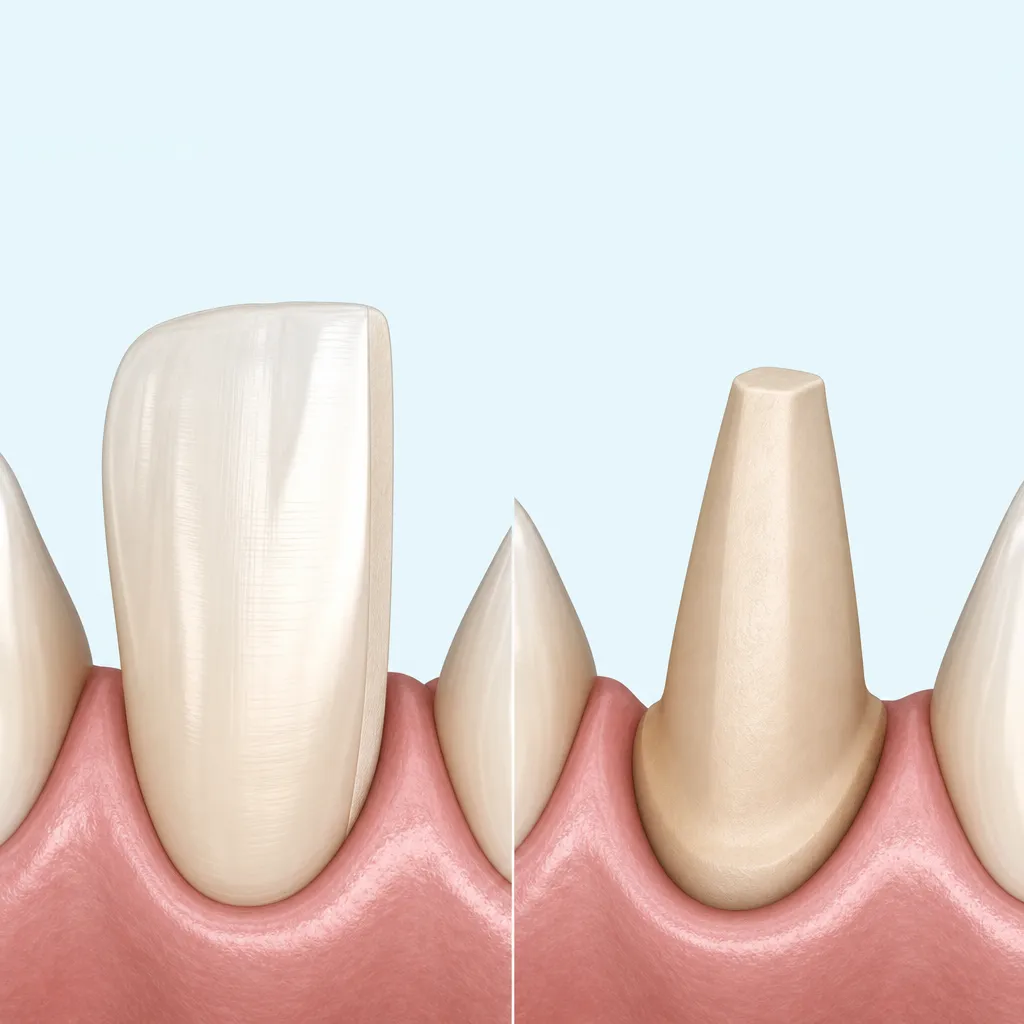
Veneer preparation removes a thin layer of surface enamel, typically 0.3 to 0.7 millimetres, from the front face of each tooth. That is roughly the thickness of a fingernail, and it creates the space a veneer needs to sit flush rather than looking bulky.
Enamel on the front of an upper incisor measures around 1 millimetre at the middle of the tooth, tapering thinner towards the gum line. A conservative preparation stays inside that layer, so the living part of the tooth is never touched.
The viral clips of teeth shaved to points show something different. Those are crown preparations, which take 1 to 2 millimetres from every surface of the tooth, and we break down how much tooth is filed down for turkey teeth treatment by treatment.
How Does a Veneer Bond to the Tooth Underneath?
A veneer bonds to the tooth through acid etching and resin cement. The etching gel opens microscopic pores in the enamel surface, the cement flows into them, and a curing light hardens everything into one sealed unit in seconds.
That bond is why conservative preparation matters so much. Resin cement grips enamel far more strongly than it grips dentine, the softer layer beneath, so a veneer bonded entirely to enamel holds better and seals tighter than one sitting on a heavily drilled tooth.
This is why we plan E-max veneers with conservative preparation wherever the case allows. E-max is a pressed lithium disilicate ceramic that works at 0.3 to 0.5 millimetres thick, which means very little drilling and a bond that lives entirely in enamel.
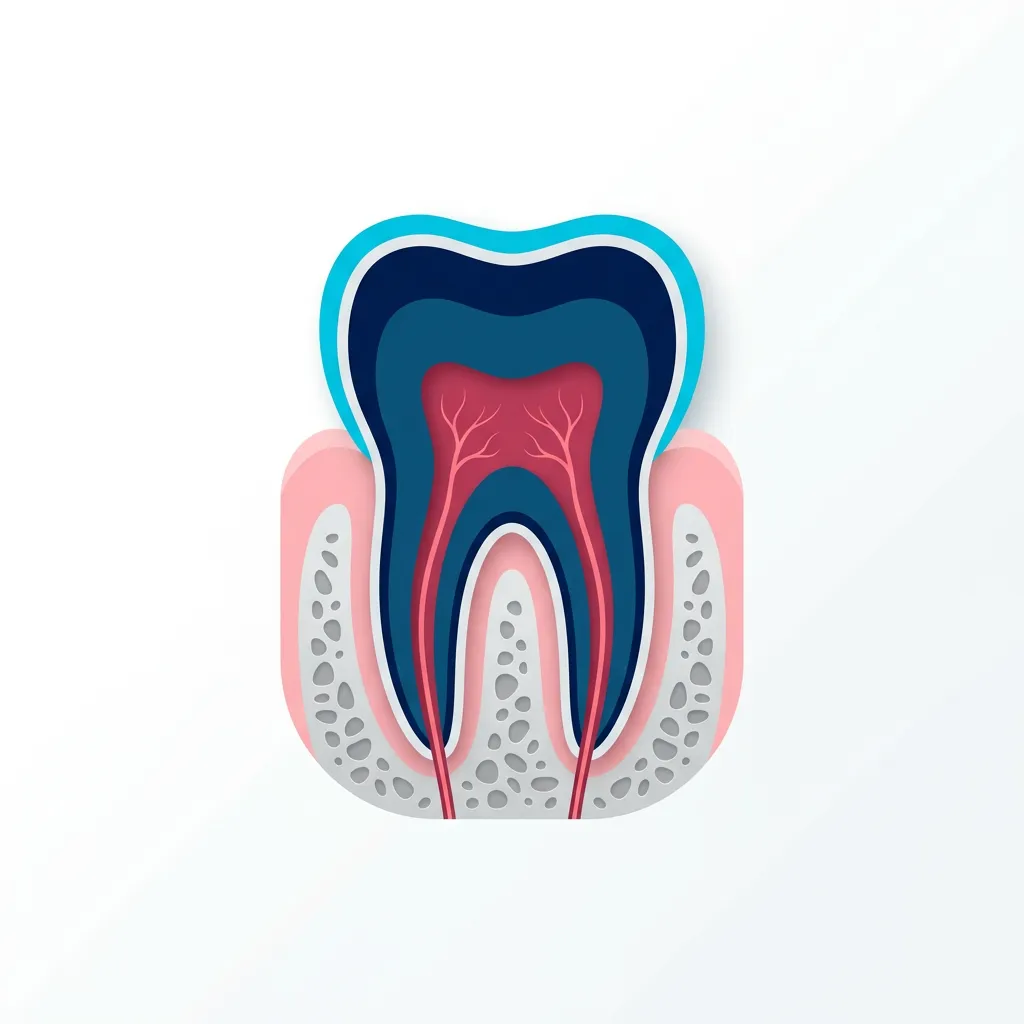
Worried about decay creeping in underneath?
Can Teeth Decay Under Turkey Veneers?
Teeth can still decay under Turkey veneers, but only where natural tooth is exposed, usually at the margin where ceramic meets enamel near the gum. The ceramic itself cannot decay, and an intact, well-sealed margin gives bacteria no way in.
A veneered tooth still has an uncovered back, sides and gum line, so it needs the same brushing and flossing as every other tooth. Let the cleaning slide and decay starts at the edges, exactly where it is hardest to spot in a bathroom mirror.
Caught at a check-up, margin decay is a small repair. Ignored for years, it can track under the veneer, and at that point the veneer comes off, the decay is treated, and a new veneer or crown goes on. Six-monthly check-ups exist for precisely this reason, and they work the same whether your veneers were fitted in Antalya or Aberdeen.
An electric toothbrush with a soft head is fine on veneers, and small interdental brushes clean the margin better than force ever will. The routine is ordinary; it just has to actually happen.
Does the Tooth Under a Veneer Still Feel Normal?
A tooth under a veneer feels normal because its nerve is intact and untouched. Biting, chewing and speaking all work as before, and most patients stop noticing the veneers within a week or two of fitting.
The one small change is temperature. Ceramic insulates slightly, so ice cream and hot tea register a little less sharply on veneered front teeth than they used to. Most people read that as a mild improvement rather than a loss.
Speech adapts quickly too. A day or two of slightly careful S sounds is common while your tongue maps the new shapes, and it resolves without any conscious effort.
Do Turkey Veneers Weaken the Teeth Underneath?
Veneers do not weaken conservatively prepared teeth. Once the resin cement cures, ceramic and enamel behave as one bonded surface, stiff enough for everything a front tooth is designed to do: biting a sandwich, an apple cut into slices, normal life.
The caveats are behavioural rather than structural. Front teeth were never meant to open bottle caps, tear parcel tape or crack pistachio shells, and veneered front teeth forgive those habits even less than natural ones. Give the ceramic the same respect you would give your own enamel and strength stops being a question.
Wondering why depth keeps coming up?
Why Does Preparation Depth Decide Everything?
Preparation depth decides whether the tooth under your veneer stays protected or becomes vulnerable. A tooth prepared within its enamel is sealed, strong and no more at risk than it was before treatment. A tooth cut down into dentine is weaker, more sensitive and more likely to cause trouble later.
Over-preparation exposes dentine, which is laced with microscopic fluid-filled tubules running towards the nerve. Cover exposed dentine with anything and some sensitivity often lingers. Cut deeper still and the nerve can become inflamed, sometimes years later, which is how a cosmetic treatment turns into root canal work.
This is the genuinely Turkey-specific part of the question. The ceramic pressed in an Antalya lab is the same material used in London. What varies clinic to clinic is how much tooth gets removed, and it is the preparation, not the porcelain, that decides if Turkey veneers are bad for your teeth.
What Happens if a Turkey Veneer Comes Off?
A veneer that comes off leaves the prepared surface exposed, which feels rough to the tongue and sensitive to cold. Unpleasant, but not a dental emergency, and the tooth is not in danger over a few days.
Keep the veneer safe in a small container, chew on the other side, and contact the clinic with a photo. An undamaged veneer can usually be cleaned and rebonded in one short appointment. Never glue it back yourself, because household adhesives wreck the fitting surface and can seal bacteria against the tooth.
Debonds are uncommon when the original etch-and-cement protocol was done properly. When one keeps failing, the usual suspects are a rushed first fitting, a bite that was never adjusted, or night-time grinding without a guard.
And decades from now, what then?
Does the Tooth Under a Veneer Stay Healthy for Decades?
A tooth under a well-fitted veneer stays healthy for decades, provided its margins stay sealed and its owner keeps brushing. The veneer usually ages before the tooth does, showing edge wear or a tired margin at the 10 to 15 year mark.
Gums also change over a lifetime. A little recession can slowly expose a sliver of root surface above the veneer edge, which is normal ageing rather than failure, though it is worth showing your dentist. Regular hygienist visits protect that margin more than any product you can buy.
Where This Fits in Your Wider Research
Because enamel never grows back, a prepared tooth needs covering for the rest of its life, which makes veneers a permanent commitment rather than a casual buy. We look at whether Turkey veneers are reversible, what their realistic lifespan is, and what the second set involves.
Margins decide appearance as well as health. Older metal-based crowns are behind the black line that can appear at the gum, a visible warning of the wrong material meeting the wrong margin, and the same all-ceramic logic that prevents it applies when choosing veneer materials.
Request a free quote for your smile
Teeth Under Turkey Veneers: Your Questions Answered
-
Do teeth rot under veneers?
Not because of the veneer. A bonded veneer seals the surface it covers, so decay only starts where natural tooth is exposed and cleaning slips, typically at the gum-line margin. Brushing, flossing and routine check-ups keep a veneered tooth as healthy as any other tooth in your head.
-
Do teeth hurt under veneers?
They shouldn't. Mild sensitivity in the first fortnight after fitting is normal while the tooth settles. Pain that appears months or years later usually points to a high bite, a leaking margin or an inflamed nerve, and each of those needs a dentist to look rather than painkillers to mask.
-
Can you ever go back to your natural teeth?
No. The enamel removed during preparation does not regenerate, so a prepared tooth will always need a veneer or crown covering it. That is exactly why an honest clinic checks whether you need veneers at all before anyone picks up a drill.
-
What do teeth look like under veneers after 10 years?
Much as they did on fitting day, provided the margins stayed sealed and the hygiene stayed decent. The veneers themselves may show wear, and the gum line may have crept slightly. In a well-planned case it is the veneer that ages, not the tooth beneath it.
-
Can food get underneath a veneer?
Not under an intact one. The cement layer fills the entire space between ceramic and tooth, so there is no gap to pack food into. If something keeps catching at one spot, the margin may have chipped or washed out, and that deserves an appointment before it turns into decay.